

It’s time once again for the Fourth Annual Sacred Wall Awards! We’ve gone through the worst of the worst and the best of the best, and now it’s time to turn our attention to the base components of these modern-day masterpieces. What were the year’s best performances, who were the best directors, and above all, what were the best scenes of 2019? Which moment will go down in history with the Epilogue from La La Land, the Opening to Baby Driver, or the car crash from Hereditary? We’ll find out this and more in tonight’s festivities.
The following awards will follow a similar format to a typical Oscar ballot. We’ll start with the acting, director, and screenplay categories, complete with a Top Six – five nominees and a winner – before moving into the awards the best genre films. After that, we’ll break down the winners in the below-the-line technical categories (think Editing, Cinematography, and Visual Effects), before presenting my personal awards: Best Ensemble, Best Use of Song, Best Tear-Jerking Moments, and ultimately, the top award of the night, the Twelve Best Scenes of 2019. For each award, I’ll offer up a brief description of my reasoning. It seems the opening number has just finished up to middling success, so let’s return to the stage for the beginning of the Sacred Wall Awards, starting with Best Actor!
Best Actor in a Leading Role

- Adam Driver – The Report/Marriage Story/The Dead Don’t Die/The Man Who Killed Don Quixote: Easily the performer of the year, everything Driver touched in 2019 turned to gold. He embodied moral decency as investigator Dan Jones in The Report. He expressed heartbreak in the emotional Marriage Story. And he demonstrated a creative, comedic range in the goofy The Dead Don’t Die and the journey into madness that is The Man Who Killed Don Quixote. Each role shows a different layer to the enigma that is Adam Driver – pain, emotion, sadness, honesty, humor, exasperation, naivete, nuance, and beyond. And I couldn’t choose just one.
- Leonardo DiCaprio – Once Upon A Time…In Hollywood: One of the funniest performances of the year, DiCaprio’s turn as a diva of an actor struggling with massive mood swings and a dwindling career is a masterful display of physical comedy. Watching him play an actor trying to act is an absolute hoot, just as much as his drunken rantings about his own failures or his tearful confessions to an eight-year-old method actor. It’s one of his best roles to date, and one of the best of the year.
- Christian Bale – Ford v Ferrari: I love when Bale gets deeply into character, and that’s exactly what he does here in Ford v Ferrari. As driver Ken Miles, Bale is a powder keg ready to set off, cocky because he knows he’s good, but unable to control his explosive, often humorous temper. His journey to become a legend is one worth cheering for, and even though you know it’ll end in his death, at least you can support the blaze of glory he wishes to go out on.
- Robert Pattinson – The Lighthouse/High Life: Like Driver, Pattinson had a killer 2019. While I didn’t care for High Life, Pattinson’s soulful journey into fatherhood and responsibility is the film’s only decent element. But it’s his performance in The Lighthouse that captivated me, as Pattinson’s portrayal of one man’s descent into madness is electrifying, hilarious, and horrifying all at the same time.
- Robert Downey Jr. – Avengers: Endgame: The choice I never expected to make, Downey Jr. didn’t get the love he deserved for the finale of the Marvel Cinematic Universe (or at lest the first wave). While there are traces of the Iron Man we all know and love, the Tony Stark on display here is a broken man dealing with failure, struggling with parenthood, and coming to terms with a strained relationship with his father and his own mortality are haunting to watch. His fight with Steve and his final monologue are two of the finest moments of the year, and I applaud Downey for bringing his A-game on what’s essentially a paycheck performance.
- Eddie Murphy – Dolemite Is My Name: In a triumphant return to form, Eddie Murphy finds common ground with legendary comedian Rudy Ray Moore. Watching Murphy workshop the spoken-word jokes, sing and dance across the stage, and win over crowd after crowd with both a performed and natural charisma is one of the year’s best experiences, and he helps elevate the film into one of the year’s funniest performances and productions.
Best Actress in a Leading Role
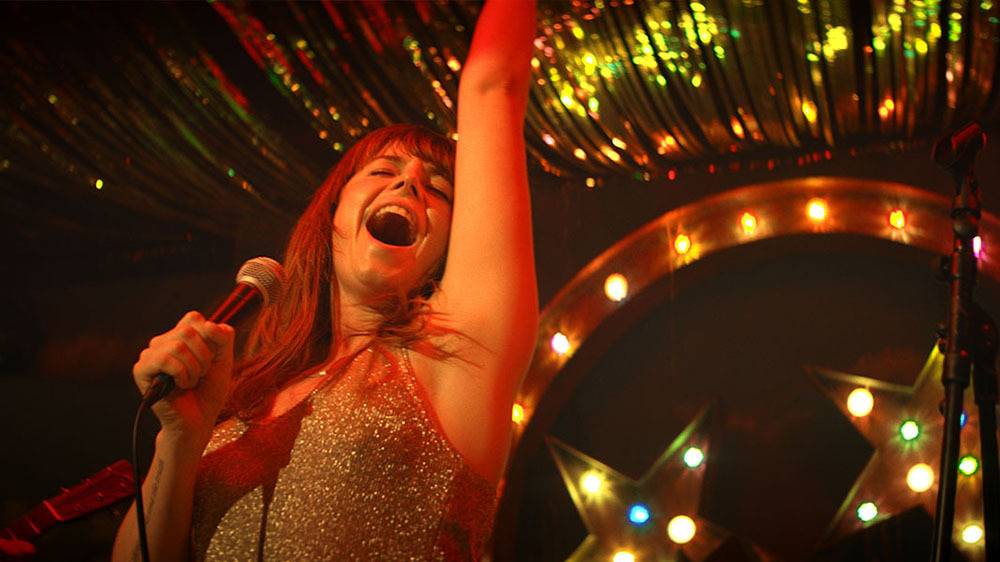
- Jessie Buckley – Wild Rose: Honestly, Jessie Buckley’s work here might be my favorite performance of the year. As Rose-Lynn, Buckley finds a balance between unhinged and likable, struggling to find her place in the world as an ex-con, a single mother, and a 22-year-old with dreams of fame and success. Buckley has a natural charisma that lends itself to stardom, and yet also captures the feral instinct of her troubled, childish character. Watching her journey into adulthood and responsibility, as well as her forging of a relationship with her mother, her children, and her hometown is one of the best, most intimate portrayals I’ve seen in a long time. Throw in the voice of an angel that can belt the hell out of any country song you put in front of her, and you have the type of magic most performers only dream of.
- Saoirse Ronan – Little Women: It’s a great undertaking to portray a character as iconic as Jo March, and thankfully, Saoirse Ronan is up for the task. Ronan utilizes her natural spunk and magnetic personality to bring the feisty protagonist to life. Whether she’s arguing with editors, bickering with her sisters, playing with Laurie, or confessing her struggle balancing work and romance to her mother, Ronan plays off her castmates with aplomb, creating a lovable, imperfect, funny, whipsmart heroine that the silver screen deserves – and may even outshine Katherine Hepburn and Winona Ryder for good measure.
- Awkwafina – The Farewell: Awkwafina’s performance in The Farewell is a master class in subtle facial acting – a surprising change of pace for a rising star known for her bombastic personality and energy. Awkwafina wears her emotions on her face, even as she tries to keep them hidden, and you can feel her anguish as she tries to reconcile her fears and struggles with dying family members, professional struggles, and a lack of belonging in either land. It’s a tremendous, impressive performance, and a sign that she’s a star for the ages.
- Florence Pugh – Midsommar/Fighting With My Family/Little Women: Like Adam Driver, Florence Pugh had a remarkable year of lead performances. First, there’s Midsommar’s Dani, one of the best embodiments of grief the screen has ever held (I don’t even want to know how she created those screams). Then there’s Fighting With My Family, a great sports movie with a fun, loving central performance from Pugh. Even Little Women could count as a leading role, as Amy is given equal attention and central focus as Ronan’s Jo. It was a great year of great performances, and I want to give them all the awards attention they deserve
- Lupita Nyong’o – Us: What Lupita Nyong’o accomplished in such a challenging role is nothing to sneeze at. She’s not only a terrific Final Girl, a petrified, yet believable young woman forced to stand up to protect her family – she also doubles as her own evil twin, the terrifying Red with a raspy, horrific voice, synchronized movements, and a psychotic stare that’s enough to scare any filmgoer. It’s a brilliant horror performance, and easily one of the most impressive, physically and emotionally, of the year.
- Renée Zellweger – Judy: Renée Zellweger is not the obvious choice to play Judy Garland, and yet it’s hard to think of anyone else who could have perfected such a challenging role. Zellweger captures Judy’s nervous, loving, sarcastic, and broken energy to a T, without any note feeling false. Add to that the fact that she opted to do all her own singing (which many stars have neglected to do even with easier performers, let alone the “greatest singer of all time”), and you have a shocking performance worthy of the acclaim she received.
Best Supporting Actor
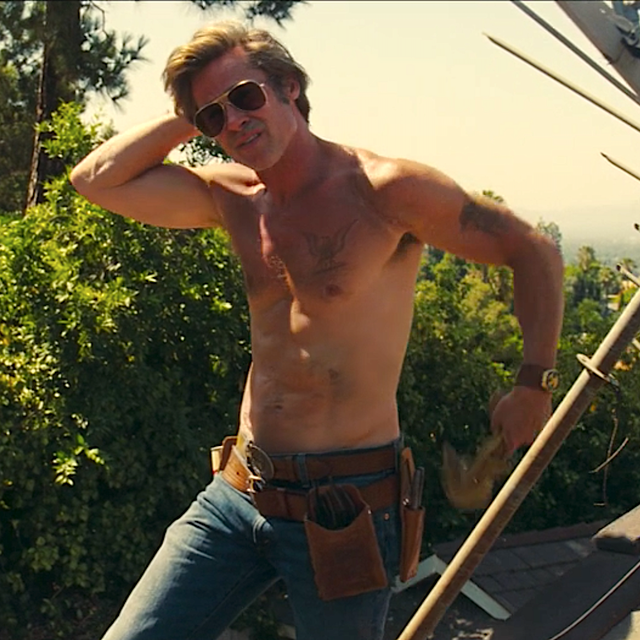
- Brad Pitt – Once Upon A Time…In Hollywood: It’s hard to tell if the greatness of Brad Pitt in Hollywood is because he’s a great actor or because it’s a great role. Honestly, it could be both. Cliff Booth is the friend we all want to have (despite his Eastwood-esque immorality and past sins), who knows exactly what to say and when to say it. He’s ultracool, super funny, and looks great with his shirt off. But honestly, the role works becausePitt plays it so perfectly. He knows exactly how to deliver every line, he knows exactly how to position himself in each shot, and when he shifts from tragic, violent antihero to an agent of justice, it’s ever so perfect. I mean, his entire final scene, high on acid and fighting Tex and Sexy Sadie, it’s one of the best sequences of the year. Bravo to Pitt for making this funny caricature a real, lovable, tragic character.
- Al Pacino – The Irishman: Al Pacino’s performance as Jimmy Hoffa is easily my favorite work of his in several decades. Pacino not only brings Hoffa back to life in bombastic glory, he provides a humorous pathos to the man’s legend. Not only does his bravado help explain how the man became a legend, both by fighting for the rights of workers and getting caught up in his own hubris and ego, but he helps flesh out a man buried under the weight of jokes about his disappearance. We see his love for Peggy, his admiration for food, and his desire to fight for his friends. Pacino puts his all into the performance, and not only recontextualizes a legacy, but manages to restore a bit of himself and his own career in the process.
- Tom Hanks – A Beautiful Day In The Neighborhood: While not exactly an imitation as much as an embodiment, Hanks not only captures the essence of Fred Rogers, he uses his own image to tell the story. He uses Fred in the same way Henry Travers played Clarence the Angel – as a voice for good, whose life is kept behind his eyes, yet so clearly on his face, and who is able to not only comfort and console his fellow characters, but to look into the soul of each and every audience member and tell them “You are loved.” It is a gifted, natural performance worthy of Hanks’ entire career.
- Anthony Hopkins – The Two Popes: Hopkins is the driving force of The Two Popes. While Jonathan Pryce has the easier (and more lovable) job of playing Pope Francis, Hopkins’ Benedict is a fascinating look inside the mind of a strange figure in the Catholic Church’s history. His Benedict is completely insulated, hiding his fears, his doubts, his beliefs, his guilts, and his passions from the world, only to let them out as he finds a friend in his future successor. It’s hard not to fall in love with him, even if you don’t agree with his stances on things, and it’s a lovely, talented performance by a living legend.
- Shia LaBeouf – Honey Boy/The Peanut Butter Falcon: LaBeouf’s one-two punch in 2019 has cemented him as an actor on the rise. First he had The Peanut Butter Falcon, in which he portrays a young man looking for work, running from his past, and befriending/encouraging a young man with Down’s Syndrome escaped from a corrupt system. He then performs a complete 180 to portray his own father, in all his drunken, womanizing faults as he struggles to raise his future self. It’s a weird, brilliant performance, heartbreaking and touching, and the two performances together make for one of the best actors in the business.
- Song Kang Ho – Parasite (TIE): Kang Ho’s performance in Parasite is so subtle it may be easy to miss it at first glance. He plays a man broken down by the system (far more brilliantly than Joker), who has grown introverted and withdrawn because of his inability to find work and provide for his family. The comedic lengths he goes to in order to manipulate his way into a job are a master class in acting, but it’s his journey in the final act, in which he realizes how dehumanized he’s truly become, where the film – and his performance – truly shine.
- Joe Pesci – The Irishman (TIE): Joe Pesci is known for his explosive, bombastic performances – which makes his reserved take on Russell Bufalino so ironic. His loving, father-like performance is a high mark in his career, from his domineering debut to his heartbreaking deathbed realization that he’s destined for hell, cold and alone.
Special Mention: Robert Forster – El Camino: A Breaking Bad Movie: While I chose to consider El Camino a TV Movie as opposed to a film, I wanted to give a shout out to the late Robert Forster’s incredible performance, which steals the entire film with his wit and warmth.
Best Supporting Actress
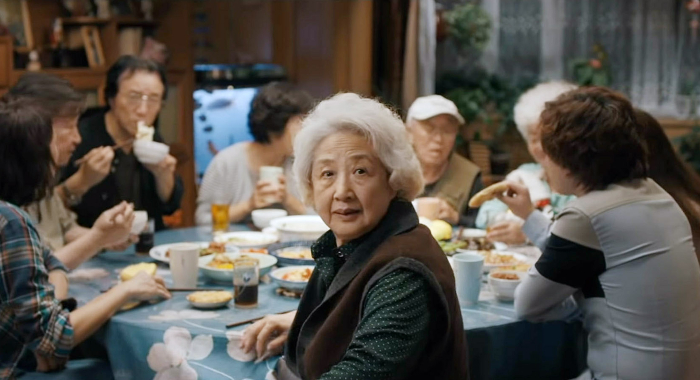
- Zhao Shuzhen – The Farewell: Outside of Buckley, Shuzhen had my favorite performance of the year. As Nai Nai, the family matriarch in The Farewell diagnosed with cancer, Shuzhen captures the heartbreaking reality of a dying woman with a vitality and warmth for life that few actresses could muster. The best, most relatable performances are the ones we can connect to our own personal lives. Shuzhen’s grandmotherly performance reminded me so much of my own grandmother, with her playful scoldings, her loving and sage advice, and the way she carries herself. Each line is perfectly delivered, each action perfectly choreographed, Shuzhen carries the film with grace and dignity. The film doesn’t work without her performance, and I’m pleased to say the actress more than delivers on that promise.
- Laura Dern – Marriage Story/Little Women: Laura Dern really ran the gamut on Laura Dern-ness in 2019. She captured her own dichotomy: in Little Women, she plays a wise, loving mother with sage advice and hidden emotions with skillful aplomb and a comedic straight man’s sensibilities. And in Marriage Story, she gets to utilize her verbal talents as a monologist, performing rants against the patriarchy and performing White West Coast satire. Both performances are nuanced, loving, and humorous, and they show how talened a performer she really is.
- Jennifer Lopez – Hustlers: No role has been so carefully suited for a performer since Joe Pesci in Goodfellas. Jennifer Lopez uses her charismatic star power to portray the ultimate con artist. From the opening scene, she knows how to play the men, the women, her allies, and the viewers in the audience. Every decision is crafted to work an angle, and it relies on Lopez’s star power and New Yorker sensibilities to pull it off. But no matter how many crimes she pulls off, and how many people she’s wronged (she’s the one who goes furthest into the cult of money), you never turn on her. Because at the end of the day, she knows what’s important in life, and her love for family and friends is palpable and real, even if the rest is a charade.
- Julia Fox – Uncut Gems: Every great thriller has a dashing femme fatale, and Julia Fox is just that for Uncut Gems. She uses her sexuality as a weapon, manipulating the men around her while trying to maintain her relationship with her mentally unstable boss and lover. It’s a testament to her talents that you feel that she’s in a conundrum: while it would be best for the relationship to end (she’s clearly too good for him), her love and devotion make you hope he’ll see things clearly and forgive her. She’s the ultimate New Yorker, a dazzling character, and a future star in the making.
- Billie Lourd – Booksmart: Booksmart as a whole disappointed me, but one aspect that always had me reeling was Billie Lourd’s psychotic Gigi. Arguably the type of breakout performance shared by Tiffany Haddish in 2017, or Anthony Michael Hall in Sixteen Candles, Lourd plays Gigi as the voice of chaotic neutral. She knows how to deliver every line, throws herself into very physical sight gags, and whenever she randomly and magically pops up at a new location, the film gets new life. She is the heart and soul of the film, and I hope that this marvelous performance launches a terrific career in the years to come.
- Park So-dam – Parasite (TIE): One of the two Parasite performers sharing the final slot on my Best-Of list, Park So-dam’s Kim Ki-jung is arguably my favorite of the vast ensemble. A low-key sociopath with a knack for lying and messing with her brother, I loved the way Ms. Park carries herself throughout the film. From her “Jesica, Only Child” chant to her callous sprinkling of deadly peach fuzz, she steals every frame and every scene with her line delivery and composure.
- Cho Yeo-jeong – Parasite (TIE): On par with Park So-dam’s hilariously cold turn is the overly emotional matriarch of the Park family, Cho Yeo-jeong. Ms. Cho is absolutely hysterical as a spoiled housewife, constantly falling asleep at random, inadvertently offending people by accidentally flaunting her wealth, and bursting into tears or fits of hysterics when confronted with either mess or disease. It’s a very cartoonish performance, but it fits the tone of the film, and Cho never allows it to veer too far off course, thanks to skillful acting and emotional depth.
Best Director

- Gaspar Noé – Climax: French provocateur Noé has crafted his best film to date with Climax, an experimental, transgressive parable for the modern age. Every aspect of Noé’s direction is assured, whether he’s keeping the camera still to focus on an incredible dance sequence, moving the production and cinematography in a fluid motion to depict a world falling apart and going mad, or f*cking with the editing to tell the story out of order and placing the credits at the very beginning of the film. Each decision has the capability of failing miserably, but thankfully, Noé pulls it off with masterful, skillful aplomb. It is the best filmmaking of the year, and it’s not even close.
- Lulu Wang – The Farewell: Whereas Noé’s direction stands out in its bombastic grandiosity, Lulu Wang wows us with her quiet, assured direction. Each frame is perfectly constructed, drawing eerie comparisons and stark contrasts between New York and Beijing. She knows how to use her camera and her editor to tell the story in an economic, breezy, funny, crushing way. And she knows how to train her actors, getting the year’s best performances out of her eclectic ensemble. Subtle direction often goes unnoticed, but it’s hard to deny Wang’s status as a true auteur.
- Martin Scorsese – The Irishman: There is only one word to describe Martin Scorsese’s work on The Irishman: masterful. This is a film only a legend could make, assured in its length, its message, and its vision. Each shot is perfectly framed and staged, each performance perfectly coaxed out of its actors, all in the service of a grand, sweeping tale of corruption, death, and the cost of one man’s soul. Many films will try to emulate it, but there is no one like Scorsese for a reason.
- Ari Aster – Midsommar: While he still struggles with endings, Ari Aster has one-upped himself from the decent-but-flawed Hereditary with the atmospheric horror of Midsommar. You can tell the stakes are raised from that brilliant prologue, which is a terrific short film in and of itself, but I don’t want to understate how remarkable the rest of the film is staged, from its setting and lighting to its editing and sense of dread. Kudos to Aster, and may his next film improve even further.
- Bong Joon Ho – Parasite: A legend in South Korea for over a decade, Bong has finally made his mark on America with his crowd-pleasing thriller Parasite. The film is the work of an auteur, twisting and turning with the assured vision Hitchcock once held, ultimately coming to a shocking conclusion that seems both at odds and completely natural considering the comedic tone of the first act. And should you doubt in his abilities, look no further than the Peach Montage, one of the finest bits of direction all year.
- Greta Gerwig – Little Women: Films with parallel timelines are often challenging to get right (look no further than Christopher Nolan’s hit-or-miss career), but Gerwig makes it look effortless as she follows up Lady Bird with a charming adaptation of the legendary coming of age tale. Throw in the confirmation that Gerwig is an actors’ director, capable of coaxing terrific performances out of her leads, and you have a legendary director on the rise in real time.
Best Original Screenplay
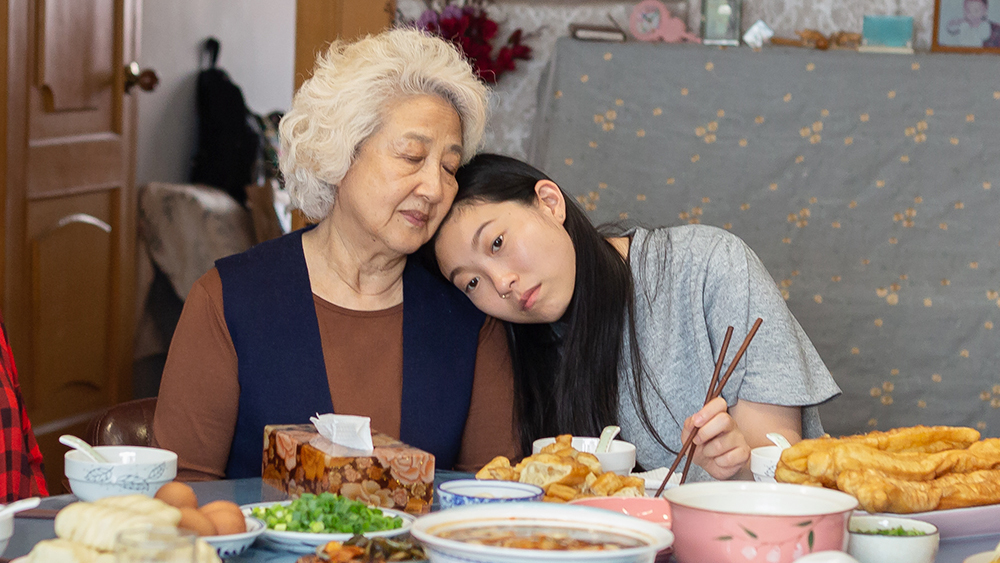
- The Farewell: The Farewell is a masterful piece of original writing. Each line feels funny, tragic, loving, and fresh, and Wang knows how to execute every single family member’s voice with astute detail. Wang knows how to craft honest, mature voices, and fills the script with unique details, sage wisdom, and layers of subtext about immigration, family dynamics, and the cultural and generational divide. It is a staggering achievement, and one of the best scripts in recent memory.
- Parasite: Parasite is one of those screenplays that makes you wonder, “How the f*ck did anyone pull that off?” It’s funny till it’s thrilling, thrilling till it’s terrifying, and terrifying until it’s tragic. No genre feels right for it, and yet it never feels haphazard or clustered. It is exactly what it wants to be: effortlessly quotable, intellectually engaging, and perfectly written.
- Knives Out: Rian Johnson’s murder mystery works both as a mystery and a comedy. It’s jokes about family disputes and spoiled millionaires are certainly solid and quotable (“Eat sh*t!”), but I personally love the attention to detail he gives the central mystery, adding little clues and twists exactly where you want and need them.
- The Report: While mostly a series of facts shouted out in a righteous fury,The Report’s screenplay is so impressive because it takes a lot of complicated, challenging material and boils it into a straightforward conspiracy thriller. Its facts are true and painful, yet watching the team of goodhearted investigators uncover leads, crack through the bullsh*t, and distribute it to the masses “the right way” is enlightening and heartwarming.
- Marriage Story: While mostly just a 70s marital drama under a new label, Noah Baumbach’s tearjerker features some crackling dialogue and stunning monologues. I love hearing Johansson and Driver lament their failings as partners, or Laura Dern rant about the patriarchy, or Ray Liotta shouting hilarious soliloquys, and above all watch two great actors shout it out about realistic, personal trauma. It’s a touching, honest screenplay, and I can’t help but admire the writing.
- Once Upon A Time…In Hollywood: Quentin Tarantino’s loosest screenplay, it’s also one of his sweetest and funniest. Structured like a classic Western/shaggy Hal Ashby joint, its dual narratives are fascinating and funny, whether Brad Pitt’s dropping iconic one-liners or DiCaprio’s debasing himself in his trailer. Come for the laments on an ending era, stay for DiCaprio ranting about hippies and terrifying the Manson cult.
Best Adapted Screenplay
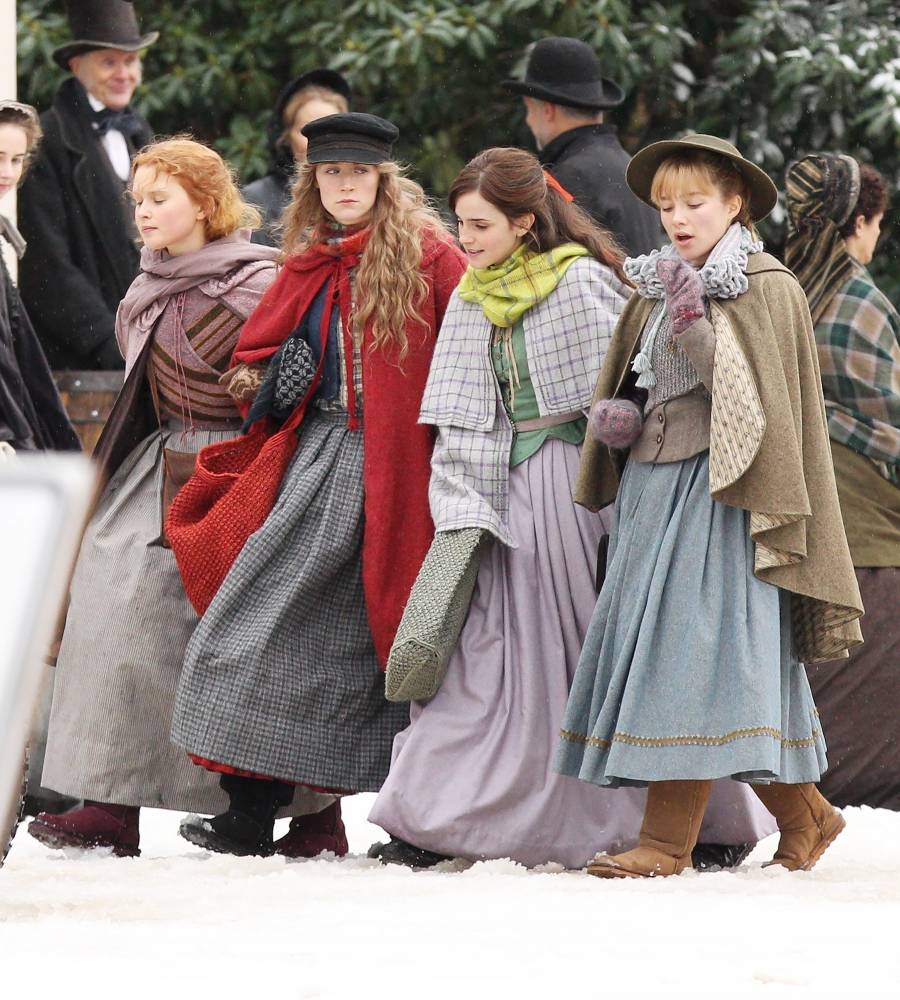
- Little Women: Gerwig’s screenplay crackles as it rewrites Louisa May Alcott’s classic dialogue with a realistic twist. Instead of rewriting the classic words or modernizing the text, Gerwig keeps it the same, but restructures the conversations to give them a livelier, more realistic flow. She also reformats the story so the first and second half play out parallel to each other. This both adds new nuances to the characters’ journeys (Amy March is redeemed as opposed to seen only as an immature child) as well as adds shades of doubt and self-reflection to those earnestly nostalgic moments. My favorite touch comes when it takes an overly sentimental “rush to the train station” moment and adds an ambiguity to it – it’s both historically accurate/realistic and utterly romantic! What a film! What a script!
- Hustlers: The most effortless, quotable film of the year, Hustlers takes a dark story about strippers forced to scam and rob men who enter their establishment to stay afloat after 2008 and gives it new life as a cross between Goodfellas and Ocean’s Eleven. The screenplay crackles with a condemnation of a broken system, with funny, lively dialogues and some of the warmest portrayals of female characters seen in a long time. It’s a challenging film to pull off, and I’m so happy it worked as well as it did.
- A Beautiful Day In The Neighborhood: A Beautiful Day in The Neighborhood could have been a boring biopic about a fascinating figure, but instead it changes the game through two ingenious decisions. The first is to reframe the story as a parable about forgiveness, with the historical figure as a side character doling out wisdom. The second is to structure the film as an episode of Fred Rogers’ television show, complete with Picture Picture, the Land of Make Believe, and the theme song. It’s a masterful feat of writing, warm and alive throughout, and one of the best screenplays of the year.
- Jojo Rabbit: It’s an incredibly difficult task to make a comedic tragedy centered around a young boy indoctrinated into the Hitler Youth who views Hitler as his imaginary friend. But even as the film mostly resorts to the same few jokes repeated in different ways, what Taika Waititi pulls off in balancing satire and the ultimate payoff of comedy and tragedy is no easy task, and an ultimate credit to his writing ability.
- Fighting With My Family: Jojo Rabbit star Stephen Merchant revitalizes the sports biopic with the funny, sweet Fighting With My Family. He turns the predictable beats into comedic punchlines, and uses his real figures as bombastic, lovable caricatures. There’s a balance of heart and humor here that’s not an easy ask, and it’s a brilliant feat of writing.
- The Two Popes: I’ve been a vocal critic of Anthony McCarten’s writing abilities, but his script for The Two Popes crackles, thanks to its emphasis on two characters intelligently and carefully debating weighty issues and topics in honest, touching ways. It creates two believable characters out of larger than life figures, and credit where credit’s due, he pulls it off.
Best Original Score
- Ford v Ferrari: Few scores capture the tone of “effortless fun” that Ford v Ferrari Marco Beltrami’s score may not entice the same excitement as a John Williams piece, but it evokes a time, place, and mood that most films just don’t strive for anymore.
- Avengers: Endgame: Blockbuster scores have sort of gone by the wayside in recent years, but legend Alan Silvestri revitalizes the art with his epic work here, which captures everything from melancholy to whimsy to grandiose action. The piece “Portals” is easily the most iconic work of the year.
- Marriage Story: Randy Newman evokes the feeling of nostalgia most divorced couples find themselves trapped in after the end of their relationship, and the melancholic piano work sets the tone for the sometimes comedic, sometimes tragic slice of life Baumbach has constructed for us.
- A Beautiful Day In The Neighborhood: Nate Heller doesn’t get nearly enough credit for what he’s able to do with a score. Here, he captures the jaunty sounds of Rogers’ Neighborhood while crossing them with a reflective, loving, realistic soundscape that helps translate the story to the real world. It’s masterful writing, and I hope he becomes a legendary composer one day.
- The Farewell: The Farewell utilizes a tradition Chinese score to tell its story, which both adds to the melancholic nature of the film (although sometimes uses its excess for comedic effect), and helps demonstrate Billi’s torn existence between America and China. It’s memorable, haunting work, and helps make it one of the best films of the year.
Best Original Song
- Glasgow – Wild Rose: It’s the best song of the year, and it’s not even close. Mary Steenburgen’s ode to one’s hometown draws on imagery from The Wizard of Oz and a reflection on a troubled life to craft the best country song in…maybe two decades? It’s a haunting work, made all the better by Jessie Buckley’s terrific performance (one that stands tall with a Judy Garland ballad). And to think that Steenburgen wrote it after having the melody stuck in her head after surgery. Miracles do happen, it appears.
- The Dead Don’t Die – The Dead Don’t Die: The ironic titular track to the underrated comedic gem The Dead Don’t Die, Sturgill Simpson’s country parody is played ad nauseum throughout the film, to the point the characters eventually grow tired of it. Thankfully, it’s too good a song to drive us nuts.
- Breathe – Her Smell: A punk rock anthem performed triumphantly to celebrate Elisabeth Moss’ Becky’ victory over drug abuse, watching three eras of female punk bands come together in a grand expression of victory is the highlight of the film.
- I Can’t Let You Throw Yourself Away – Toy Story 4: A funny, jaunty Randy Newman Pixar song that’s both literally about Forky trying to jump out of a window and a metaphor for suicide? Boy, this movie was made for me.
- (I’m Gonna) Love Me Again – Rocketman: While not the best song in Elton John’s historic songbook, the upbeat declaration of self-love and triumph over personal demons is catchy, charming, and effortlessly Elton.
Best Animated Feature

- Toy Story 4: I didn’t want to let Pixar waltz in here on nostalgia yet again to dominate the Best Animated Feature category. Unfortunately, Toy Story 4gave me no choice. It’s a lovely ode to realizing you’re too old to continue your job, embracing your pending death, and moving on with life. Add to that the bold decision to eliminate the necessity of a villain and redeeming the antagonist in the finale, and you have an unparalleled, unmitigated success.
- The Lego Movie 2: The Second Part: It takes the impressive worldbuilding (literally) of the first film and ups the ante, impressing with its Lego-based visuals and impressive voice performances. Plus, there’s Banarnar, the greatest animated character of the year.
- How To Train Your Dragon: The Hidden World: A potent, beautiful conclusion to the luscious world of Berk, filled with gorgeous landscapes and utterly mesmerizing flights of fantasy.
- I Lost My Body: A gorgeously animated film with a surrealist, almost Kaufman-esque style, Body is a beautifully rendered macabre story of love and loss.
- Missing Link: Not my favorite Laika film, but Laika is still a master of the game nonetheless. It combines great voice work with sumptuous stop motion animation for a fun flick for the kiddies.
Best Documentary Feature
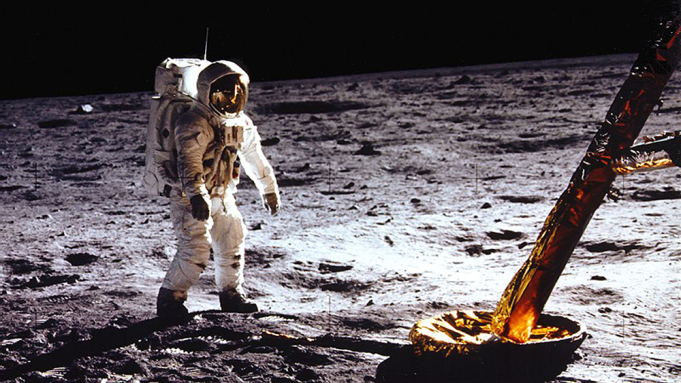
- Apollo 11: No documentary in 2019 came close to the sheer accomplishment of Apollo 11. It turned the historic landing on the moon in 1969 into a living, breathing document, through unbelievably real footage. It puts you right there with the astronauts on the moon, the team inside the control center, and the audiences of real 60s families showing up to witness history. No experience all year was like it, and no film can ever match it.
- Cold Case Hammarskjöld: A real-life murder mystery, Hammarskjöld starts as an attempt to solve a conspiracy theory that ends up uncovering something far darker, far deeper, and far more insane than the filmmakers could ever have dreamed. It’s a funny, tragic film about the repercussions of history and what our spy agencies get up to when nobody is watching.
- Fyre Fraud: The first of two great documentaries on the infamous Fyre Festival, Fyre Fraud is the superior documentary, thanks to its in-depth look at how a broken culture of influencers and grifters has risen up post-2008 crash to manipulate society into selling their souls to social media. It’s the best study out there of how the creators succinctly and effectively worked the system to scam a bunch of privileged white kids, and makes everyone involved – “victim” or perpetrator – seem like the assh*le they truly are.
- Fyre: The Greatest Party That Never Happened: A little less impressive due to its appeasing of Billy McFarland and its implication that the festival was ever anything more than a scam, it’s still worth it for a better understanding of how the island’s population were the true victims and the infamous “I was prepared to s*ck d*ck for a bottle of water” monologue.
- Echo In The Canyon: I’m a huge fan of the folk music/soft rock scene of the late 60s, which ranged from commentaries on the peace movement to statements against the war and Nixon, so Echo In The Canyon’s look at the Laurel Canyon music scene and the works of The Byrds, The Mamas and the Papas, and beyond (with the work recreated by Jakob Dylan) was right up my alley, a refreshing look back on a great moment in music history.
Best Foreign Language Film

- Climax: It was going to be one of two films, and I’m giving the edge to my #1 film of the year. Climax pushes the boundaries of what film can do, balancing perfect dance sequences with terrifying horror with clever commentary on the divisions and fear-based downfall of society. It is art at its finest.
- Parasite: A very close second, Parasite is a near-perfect film experience. A critique of South Korean economics that can be felt in every country around the globe. Bong Joon Ho’s direction and execution are unparalleled, and it makes for one of the most fun, most heartbreaking, most passionate film experiences of the year.
- Pain and Glory: Pedro Almodóvar’s intimate reflection his own life and shortcomings, as portrayed by actors at the top of their game (like Antonio Banderas), is a sharp, lovely work, and one of the best foreign language films of the year.
- I Lost My Body: A melancholic, lovely look at Paris through the eyes of an emotionally damaged youth and his severed hand.
Best Horror Film: Climax
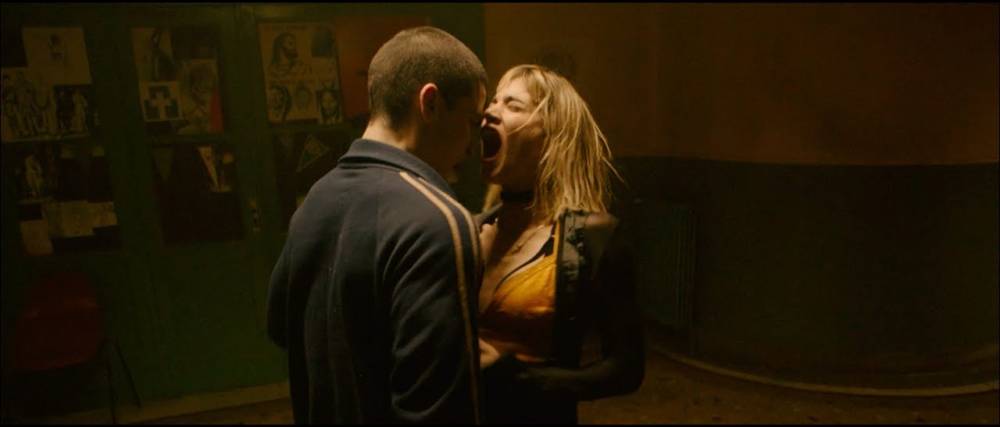
2019 was one of the best years for horror in recent memory, thanks to Midsommar, Us, and even Parasite, to a certain degree. But how can I vote against my #1 film of the year, which was a dazzling journey into hell. Climax is a visceral experience, not afraid to go to places most films wouldn’t dare. It’s an accurate depiction of a bad acid trip, a metaphor for a decaying society, and an all-around bloody good time. Come for the themes, stay for the electrocuted children.
Best Comedy Film: Dolemite Is My Name
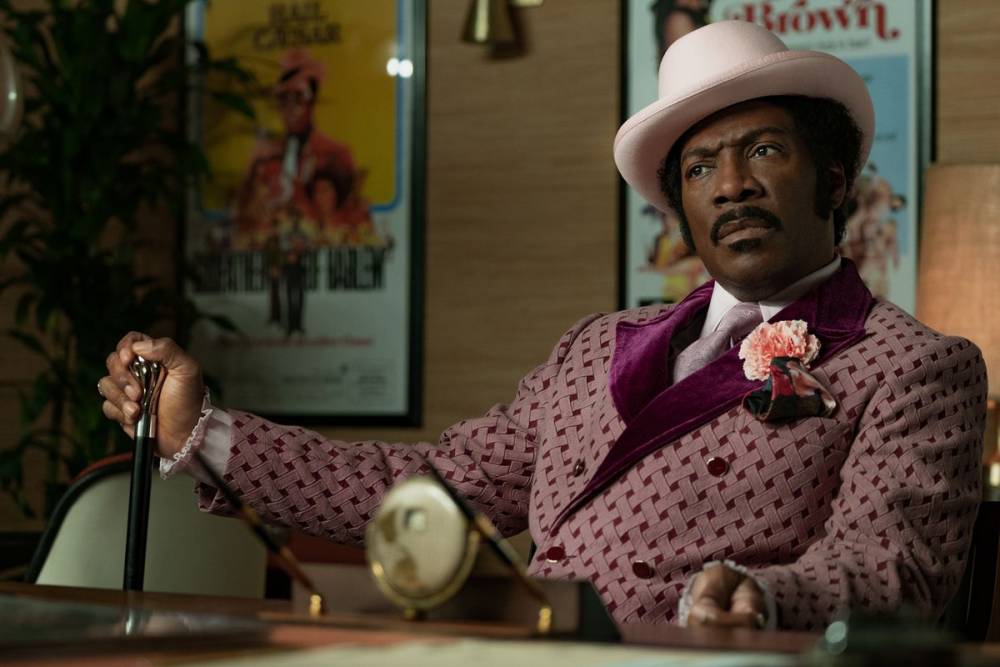
I had a hard time choosing a Best Comedy this year. We had Good Boys and Knives Out, Once Upon A Time…, The Dead Don’t Die, and Jojo Rabbit, and louds of other films that made us laugh and cry. But if I had to choose a film that most significantly delivered on the comedic promise of its premise, it’s Dolemite Is My Name. Eddie Murphy returns to form in his ode to both his mentor and black culture, demonstrating the creation of the Black comedy scene. It’s charming, it’s funny, and it’s heartwarming, and no other comedy made me feel like this film did.
Best Superhero Film: Avengers: Endgame
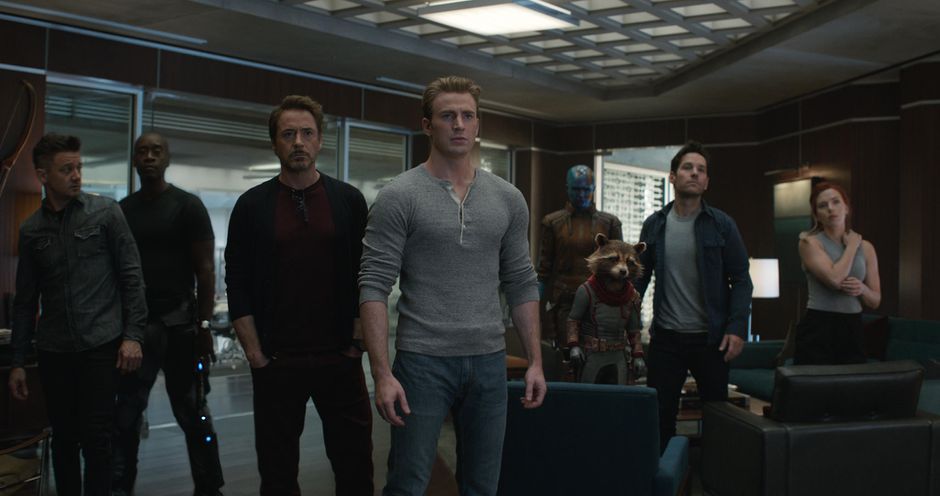
I mean, come on. I liked Spider-Man well enough, Shazam! was a damn delight, and Captain Marvel took some bold risks. But was it ever going to be a film other than Endgame? It’s the rare superhero film to balance themes and thrills, touching on the sins of our past and our future failures while simultaneously delivering terrific, coherent action sequences, grandiose set pieces, and some of the best visual effects work in recent memory. It’s my favorite superhero film of the year, and a perfect sendoff to a decade of cinematic shifts in both the genre and filmmaking as a whole.
Best Blockbuster: Ford v Ferrari
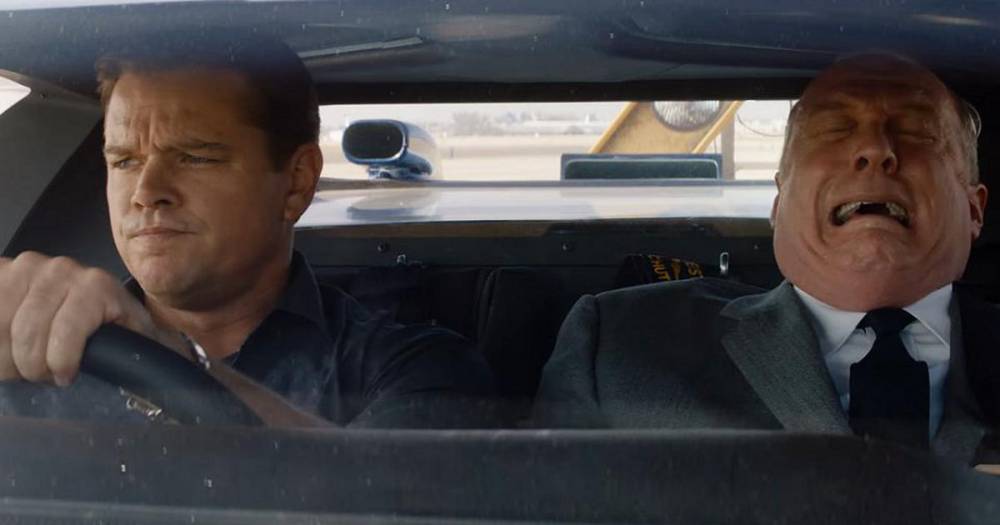
A different category than Best Superhero Film, Best Blockbuster is my way of giving credit to the classical big screen experience – the action, adventure, and sci-fi films that don’t quite qualify as superhero-oriented. This year had some dazzling blockbusters, like Ad Astra, John Wick: Chapter 3 – Parabellum, and even Fast & Furious Presents: Hobbs & Shaw. But my favorite blockbuster was the triumphant racing film Ford v Ferrari. James Mangold’s epic look at the creation of a top-notch race car, starring two of the biggest stars of the modern era and featuring the most exciting racing footage this side of Senna is proof of why we love going to the movies. It’s big, it’s bombastic, it’s funny, and it’s action-packed – all the hallmarks of a great film, a great biopic, and a great blockbuster.
Best Sound Editing: Ford v Ferrari
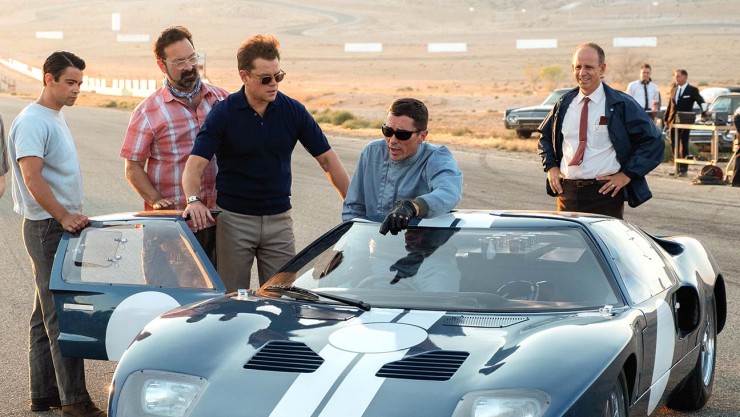
Returning to Ford v Ferrari, it’s no surprise that it has the best sound design of the year. Each rev of the engine, each exploding car, each clang of a hammer and hum of a blow torch echoes through the theater in perfect time. It’s an impressive bit of sound design, and it adds to both the film’s design and the theatrical feel of the production.
Best Sound Mixing: 1917
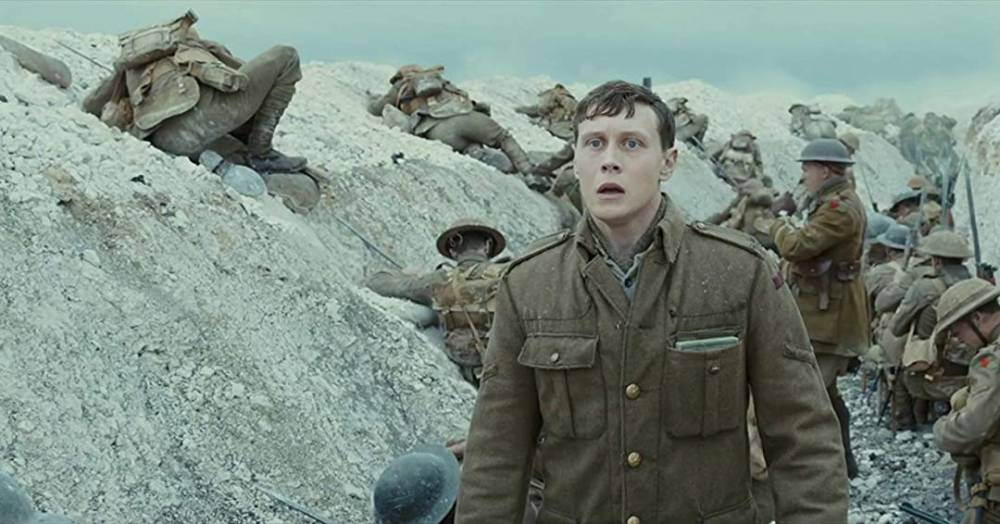
In terms of the art of blending the soundscape together to create depth and ambiance, 1917 only works because of its impeccable sound mixing. The score crescendos exactly when it’s supposed to, the explosions and planes in the distance slowly come closer in terrifying realism, and when the dialogue must be heard, by God you feel it. It’s the definition of great sound mixing, and a demonstration of how the art can add to a film’s entire aesthetic.
Best Production Design: Climax AND Parasite (TIE)
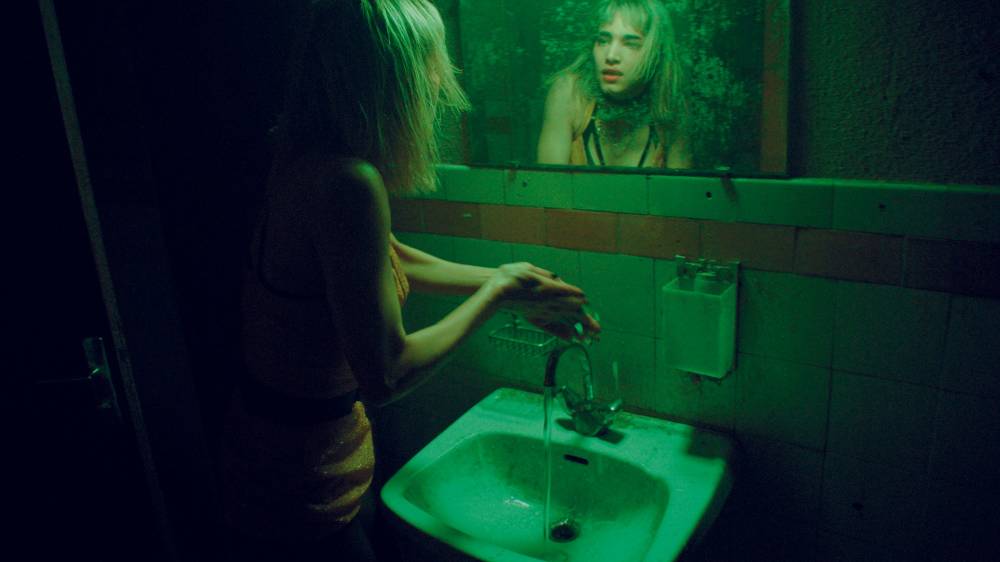

Climax and Parasite have the two most impressively realized sets of the year. Each location feels utterly lived in, and you know every square inch of those locations by the conclusion. In Climax, the setting is a dirty basement, complete with dorm rooms, rehearsal space in a cafeteria, and a dreaded electrical closet you best not send your child to. It’s dark and grimy and oh so realistic. As for Parasite, the filmmakers went above and beyond building an entire mansion from the ground up. By the end of the film, you know every square inch of that house – the bedrooms, the wine cellars, the kitchen, and even rooms that most characters may have been unaware of at the start. Both films use their sets as another character, and by the end of each film, I could describe each location in brilliant, vivid detail.
Best Cinematography: Midsommar
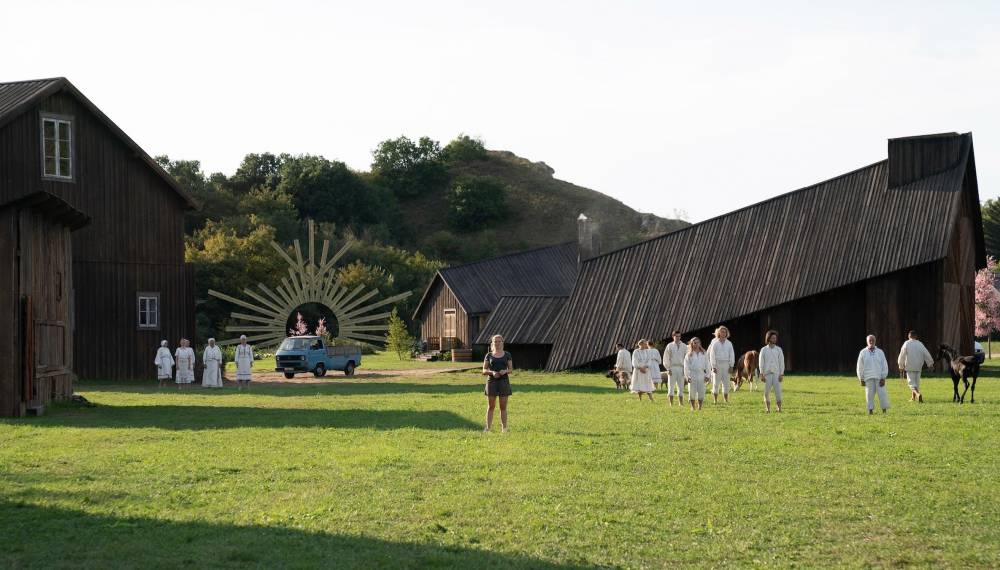
Surely there were some films that had more bombastic or noticeable cinematography (or maybe even distracting – looking at you, 1917), but I loved Midsommar’s straightforward design scheme. From the way the camera pushes through and around to its sweeping overheads of the characters entering their future hell to the sheer framing of the characters, each frame of this film feels picturesque – which is rather ironic, given its terrifying, graphic nature. It’s Pawel Pogorzelski’s show, and the film only works because of his gifts.
Best Costume Design: Rocketman
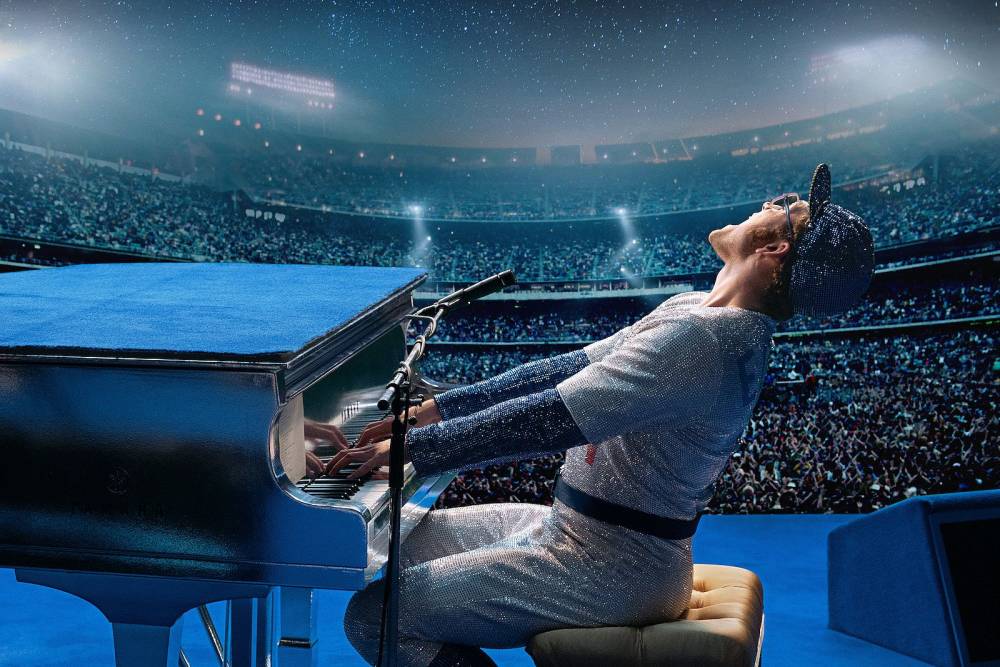
Is it any shock that the Elton John biopic would have the best costume work of the year? After all, the film carefully recreates some of Elton’s most iconic, fanciful looks, whether in the form of classy suits, casual 70s chic outfits, or the flamboyancy of baseball uniforms, feathered suits, and a giant demon outfit as he, um, purges his demons. It’s a creative, wonderful work of costume design, and easily the best work of the year.
Best Makeup and Hairstyling: Avengers: Endgame
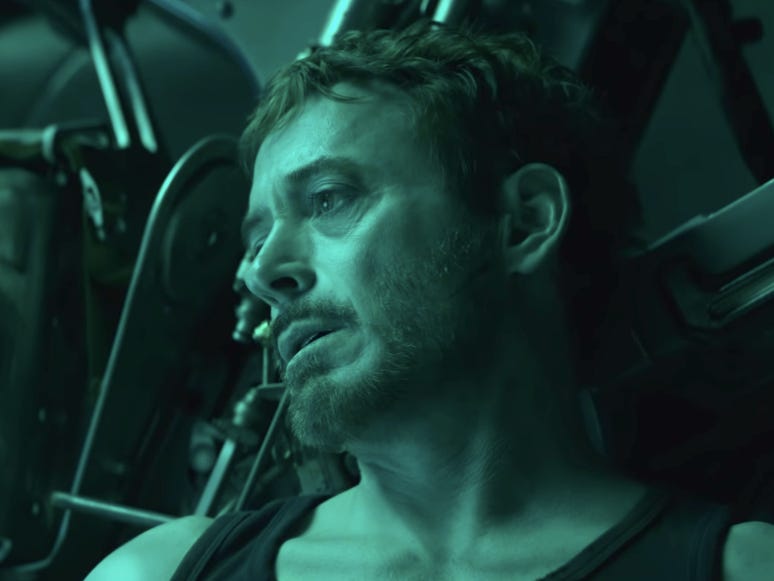
One may be tempted to write off most of the effects in Avengers: Endgame as special effects work, but that’s not entirely accurate. Beyond its digital enhancements, Endgame makes great use of makeup work with Karen Gillan’s Nebula, creates an emaciated hero in the opening scenes of Tony Stark, continues to wow with the wig work of Asgärd – and speaking of the Norse gods, let’s not forget Big Lebowski Thor, who is mostly created with the help of makeup and a well-crafted beer belly. The makeup work in the Avengers franchise has long been overlooked, and it deserves its credit, here and now.
Best Film Editing: Uncut Gems
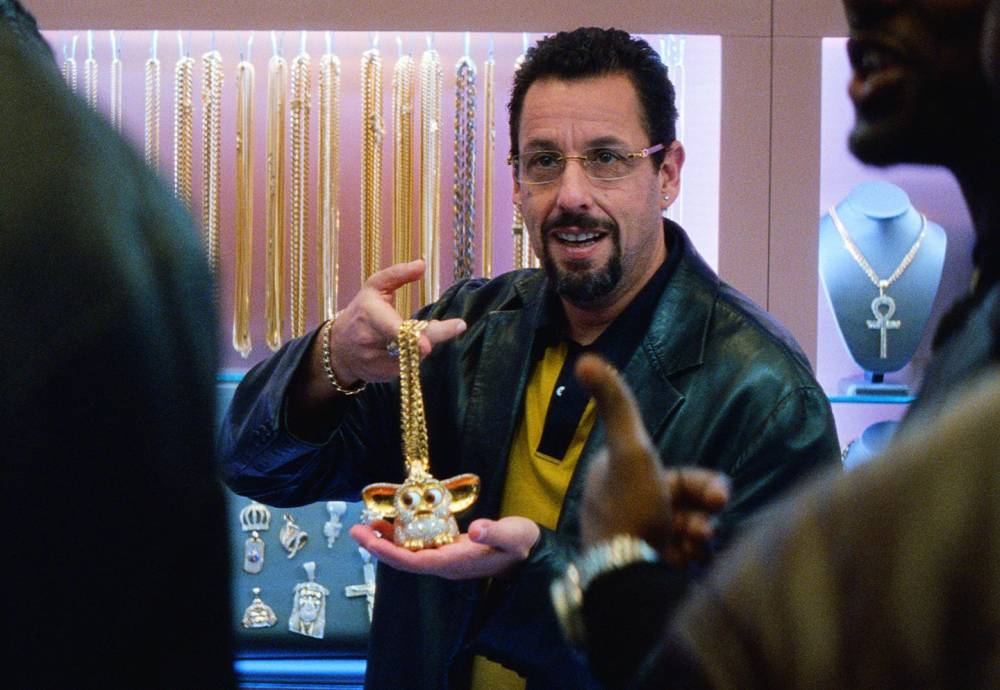
Uncut Gems is a journey into hell. Not literally, per se, but metaphorically, as we watch Adam Sandler’s Howard make bad decision after bad decision as he blatantly ignores the film’s well-defined ticking clock. That’s what makes the sharp, 70s-esque editing so brilliant – it makes us feel the ticking clock, and therefore grow more and more restless as he spends his time ignoring his wife, accumulating more debt, and aggressively ignore any and all chances to save himself from ruin. This is a film that uses its editing as both a tool and a weapon, and it helps push the film over the edge into greatness.
Best Visual Effects: Ad Astra
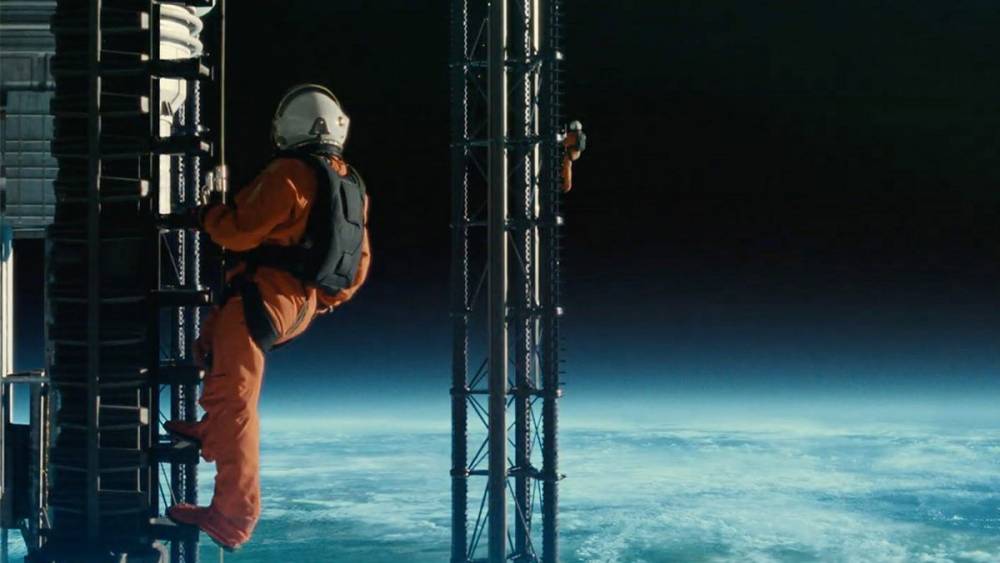
I was torn on if I wanted to give credit to Ad Astra, as space films are sort of old hat at this point (how many new ways can one portray space?). But credit where credit’s due, James Gray’s space epic creates some new landscapes for those of us obsessed with science fiction to lavish in. There’s an exhilarating fall from outer space back down to Earth, a chase on the Moon from space pirates, a massive setpiece on the outskirts of Jupiter, and a battle with space monkeys! Each effect is cooler than the last, and gives us a view of outer space we really haven’t seen before. And for that, I applaud the effects work.
Best Ensemble: The Farewell

While it’s tempting to choose between Knives Out and Parasite’s sprawling, hilarious families, the family that most entertained me in 2019 is the one inspired by Lulu Wang’s real-life trauma. Each actor fits their role and archetype perfectly. Of course I love Awkwafina and Zhao Shuzhen as granddaughter and grandmother respectively, but it goes beyond that. There’s Tzi Ma as a grieving father trying to suppress his emotions, while wife Diana Lin struggles to keep the family afloat. Jiang Yongbo plays the affluent uncle humorously, while aunt Li Xiang knows exactly how to poke the bear. Two of the most underrated performances in the film come in the form of Chen Han and Aoi Mizuhara, the young couple coerced into marriage to arrange the weekend, and who are clearly uncomfortable with the whole ordeal (especially Chen Han, who is a hilarious drunk). And in the best bit of stunt casting of the year, Lu Hong, Wang’s real-life aunt, plays herself, manipulating the family like a perfect symphony through love and dignity. It is a fantastic cast that gives this film flight.
Best Voice-Over/Motion Capture Performance
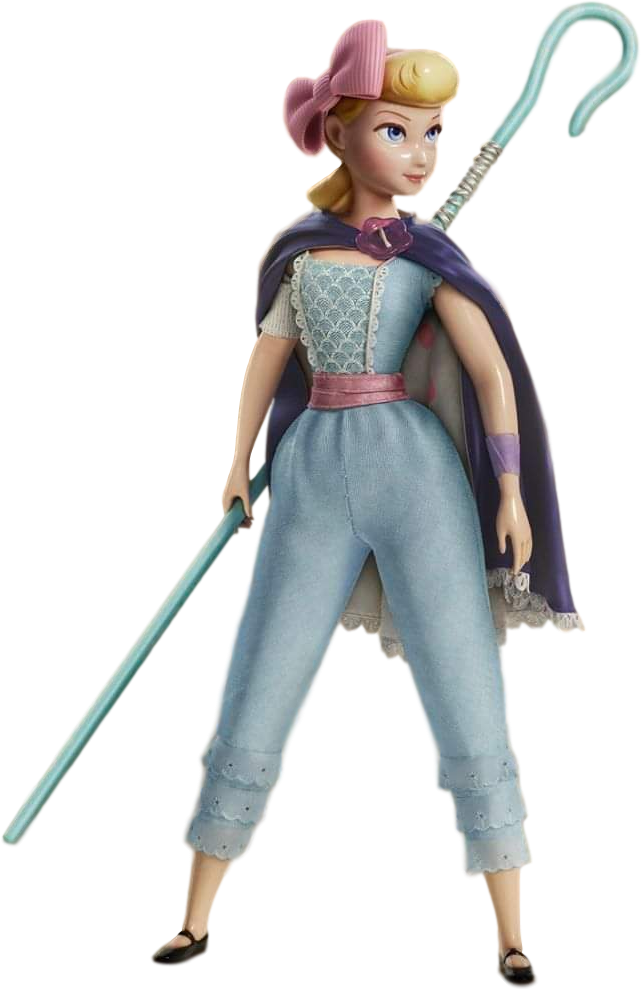
- Annie Potts – Toy Story 4: The oft-maligned heart of the Toy Story series has been Annie Potts’ Bo Peep, and she finally gets a chance to shine in Toy Story 4. She provides a pathos to the character, who has taken her pain at abandonment and channeled it into humanitarian work. It’s her first chance to be sassy, smart, and loving in many a decade, and it’s the best vocal work of the year.
- Billy Eichner – The Lion King: Not many actors could do Nathan Lane’s Timon justice, and yet Billy Eichner gives the character new life by reimagining the flamboyant character as a vegan nihilist, and it’s the highlight of the film
- Tiffany Haddish – The Lego Movie 2: The Second Part: Only Tiffany Haddish could match Will Arnett’s sardonic, dude bro Batman, and she does so by ironically playing it (mostly) straight. Her Queen Watevra Wana’Be is a highlight of the film – and who knew she could sing, too?
- Ben Mendelsohn – Captain Marvel: Mendelsohn is one of our finest Aussie actors, and his performance as a (supposedly) villainous Skrull commander is terrifying until it isn’t, with more than a hint of humor and heartbreak woven into his storyline. He walks the line brilliantly, and uses his visual effects wisely.
- Mark Ruffalo – Avengers: Endgame: Ruffalo’s Bruce Banner has been a bit of a fuddy duddy for most of the Avengers Thankfully, Endgame turned that on its head by not only letting him embrace the CGI, but being funny while using the CGi. It’s a smart decision on everyone’s part – especially Ruffalo, who embraces the change so well.
Best Young Actor/Actress
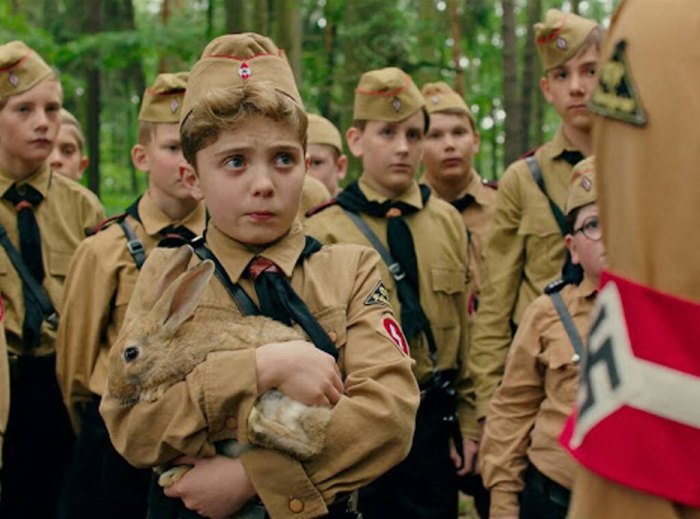
- Roman Griffin Davis – Jojo Rabbit: Playing a 10-year-old Nazi as likable and amenable to change is an impossible task. Most adults can’t pull it off, and yet Roman Griffin Davis’ charming, humorous buffoonery with a sweet heart not only makes the film work, but is a dazzling look at the painful realities of brainwashing and indoctrination.
- Thomasin McKenzie – Jojo Rabbit: McKenzie is already one of the best actresses in Hollywood at age 18. Her performance as a young Jewish girl confronting the Holocaust and engaging in a battle of wits with a 10-year-old Nazi is one of the finest of the year.
- Julia Butters – Once Upon A Time…In Hollywood: Julia Butters has been stealing scenes on American Housewife for years, and now she’s stealing films out from under Leonardo DiCaprio. Her irritated method actress who moves Rick Dalton to tears on multiple occasions is one of the film’s highlights.
- Shahadi Wright Joseph – Us/The Lion King: Shahadi Wright Joseph not only gives the creepiest performance in Us, she also gives Beyoncé a child’s voice as one of the few highlights of the unnecessary remake of The Lion King. The one-two punch make her one of the best child actors of the year.
- Angus Imrie – The Kid Who Would Be King: Playing what could have just been a goofy role in a children’s film, Angus Imrie provides the right level of whimsy and humor to keep the film’s take on Merlin from going to far off the rails.
Best Use of a Song
- Supernature – Climax: The use of “Supernature” is without a doubt the best use of a song all year. The opening dance in Climax, it is impossible to get the song out of your head, as each dancer gets a solo that tells us everything we need to know about their character. Not to mention it’s a brilliant song used brilliantly, and you have movie music magic.
- In The Still Of the Night – The Irishman: “In The Still Of The Night” is perfectly used by Scorsese from the opening scene, as it scores a camera’s journey down the halls of a nursing home, but it’s reprise as a bookend to Frank’s memories is the better, ironic use. “I Remember” is used both as a chorus and a threat, and it is perfect usage
- Being Alive – Marriage Story: Sondheim’s magnum opus about the joy and pain of being in love is utilized touchingly as Adam Driver ironically sings in the midst of his divorce, only to wholeheartedly relate to the message along the way
- Crocodile Rock – Rocketman: Not only Taron Egerton’s finest moment as Elton John, it’s also a damn fine piece of filmmaking as he hits those first notes, the crowd goes wild, and he literally floats above the piano
- I Got 5 On It – Us: Jordan Peele uses the iconic “I Got 5 On It” as a fun introduction to his newest horror film, but it’s the reprise, when two battling Tethereds perform a balletic duel that the song reaches memorable new heights
- Criminal – Hustlers: The second best dance of the year, Jennifer Lopez dazzles as she makes her debut on the pole to “Criminal.” She throws herself across the stage like someone twenty years younger, moving her body in time with the song and luring in the audience to the schemes to come. It’s perfectly choreographed and executed, and like most people, I was all in from the opening chord.
Best Nostalgic/Tearjerking Moment
- Saying Goodbye To Nai Nai – The Farewell: Watching two characters who know this may be the last time they see each other, yet refuse to admit it say goodbye grasps onto your heart and won’t let go, but the most painful moment is watching the dying Nai Nai wave goodbye, shrinking into the distance that will make you weep. Not even the following twist is enough to alleviate those tears.
- Gabby Makes A Friend/Woody’s Farewell – Toy Story 4: Pixar likes making us weep in its final fifteen minutes, and Toy Story 4 is no exception. I started bawling when villainous Gabby manages to fulfill her destiny and comfort a crying girl, but the tears really flowed when Buzz gives Woody the push he needs to leave his life as a toy behind and leave his friends forever.
- The Minute of Reflection – A Beautiful Day In The Neighborhood: In a nod to the works of Godard, Marielle Heller has Mister Rogers encourage his new friend to “think of all the people who love you,” right before the film’s sound cuts out for a full minute, forcing the audience to do the same. As Tom Hanks looks lovingly into the camera, you remember what goodness truly is, and the warmth in your heart will force you to break down.
- Iron Man’s Goodbye – Avengers: Endgame: Oftentimes when fictional characters sacrifice themselves, the trauma isn’t felt. Not so with Tony Stark, who gets a proper send-off from hundreds of major stars (including 20 Oscar nominees and winners) weeping at his funeral. It’s enough to remind you of the saga’s legacy, and bring a tear to your eye over what Downey Jr. accomplished.
- The Dragons Bid Farewell – How To Train Your Dragon: The Hidden World: Many of us grew up with Hiccup and Toothless, so when the duo have to say goodbye so that Toothless can live free and start a family, it’s a painful, yet necessary moment for us all.
- Sharon’s Second Life – Once Upon A Time…In Hollywood: The ending to Hollywood may be controversial, but it had me in tears. It’s a metaphor for the film giving Tate a second life, after her career and legacy were forever cut short. She may be smiling down on us from heaven, but here we can smile down on her, getting to live the life she always wanted.
Honorable Mention: Mufasa’s Death – The Lion King: Shot-for-shot the original film, but now in “live action,” it’s still heartbreaking to watch James Earl Jones’ loving father fall to his death, as his young son watches on in horror.
And finally…
Best Scene Of The Year
- The Opening Dance – Climax: The opening dance in Climax is not only the best sequence of the year, it’s one of the best dance sequences of all time. It honestly serves no purpose to the film, and yet it serves every It establishes these performers, their styles, their interactions, and their personalities all in one quick go. It hints at the chaos to come while maintaining a sense of respectful, brilliant choreography. And most importantly, it’s just great filmmaking. I mean, look at the way they move in and out of the mostly-stationary camera. Look at Noé’s ability to gaze without cutting, to let the art unfold beautifully and brilliantly. And listen to that use of “Supernature,” unmatched in its synth hypnosis. This is a masterful demonstration of filmmaking, and it was the perfect opening to an all-time great piece of filmmaking.
- Prologue – Midsommar: The opening to Midsommar perfectly set the tone for the nightmare to come. A fourteen-minute prologue, the film set up the characters, their mental problems, the strains in their relationships, and the advice they’re being given by their friends and contemporaries. The tension rises before the haunting, painful, reveal, and it’s one of the best bits of Aster’s short career.
- Avengers! Assemble! – Avengers: Endgame: The now-famous Portal sequence from Twitter, the return of all the heroes is perfectly timed and executed, but even better is the realization that every Marvel character, large or small, would be returning for this final battle. And when Captain America wields Mjölnir and utters the iconic battle cry “Avengers Assemble!” it is blockbuster filmmaking at its finest.
- The Peaches – Parasite: The Peach Scene from Parasite may be the reason for its success. It is a brilliant montage, reveling in the planning and execution of the Kim family’s plan, and seeing the lengths they’re willing to go to in order to gain employment. Each performance is hilarious, and the rehearsals they go through are perfect comedy. It is, quite simply, pure art.
- Ramona’s Entrance – Hustlers: Was there a better introduction all year than Jennifer Lopez in Hustlers? From those opening notes of “Criminal” as she performs an acrobatic, sexy, alluring routine, we are as hooked as Constance Wu’s Destiny. It’s the perfect introduction to Ramona, and Scafaria stages it perfectly.
- Ephraim and Thomas Argue Over Cooking – The Lighthouse: The Lighthouse is almost more a comedy than a horror, and while I have split thoughts on it, few moments all year were as memorable as the two leads battling over cooking. Resembling the bickering of an old married couple, things take a turn when Pattinson insults Dafoe’s cooking, and Dafoe recites a two-minute monologue damning him to the pits of hell. It’s expert filmmaking, and needs to be seen to be believed.
- Being Alive – Marriage Story: An ode to both relationships and theater nerds, Adam Driver’s ironic-turned-loving rendition of Sondheim’s ballad about the importance of love is the most touching scene of the year, even if it only works if you’re a truly nerdy Broadway fan.
- Henry Ford II Takes A Ride – Ford v Ferrari: One of the funniest moments of the year (and the most poignant) comes when Matt Damon manipulates a solo drive with Tracy Letts’ Henry Ford II. A stuffy man who has never really understood cars (he was birthed into richness and the industry, and never experienced it for himself), watching him burst into tears out of sheer terror and wonder at what his company can achieve is as humorous as it is sweet.
- How A Hit Is Made – The Irishman: One of my favorite parts of a Scorsese film is when he breaks down the art of some glamorous, horrific aspect of mob life in the most mundane, humorous of details (like when they cook pasta sauce in prison in Goodfellas). Here, we walk through the art of performing a hit as De Niro’s Frank plans which gun to use, what the best exit strategy may be, and the best time to use the bathroom during a hit. It’s funny, dark, and shocking – just as a Scorsese film should be.
- Knife Fight – John Wick: Chapter 3 – Parabellum: At this point, a John Wick film is just about how crazy the next stunt is going to be. Here, we watch Wick battle a group of assassins inside a classic knife museum, and watching them realize they are in a literal death room is both hilarious and exciting. How many ways can one guy be killed with a knife? The answer may surprise you.
- The Land of Make Believe – A Beautiful Day In The Neighborhood: It was already a joy to realize that A Beautiful Day In The Neighborhood was going to be staged as a fairy tale episode of Rogers, but the film takes an extra turn when Lloyd has a nervous breakdown and finds the answer he’s looking for in the puppet world of the Land of Make Believe – all while transformed into his childhood stuffed animal Mister Rabbit.
- Rocketman – Rocketman: Rocketman was a sensational musical extravaganza, and the highlight of the film is the “Rocketman” ballet, in which Elton tries to commit suicide during a pool party, and immediately has to disguise his depression and addiction to take the stage and perform for an audience the following night. It’s as heartbreaking as it is brilliantly staged.
WTF Moment: The Twist – Serenity: Because it’s still impossible to believe that a real-life film in the year 2019 had a major twist where the characters learn that they are in a recoded video game designed to help a dead man’s son plot the murder of his stepfather, and another character is the game’s original memory drive trying to talk him out of it. It’s as insane as it sounds.
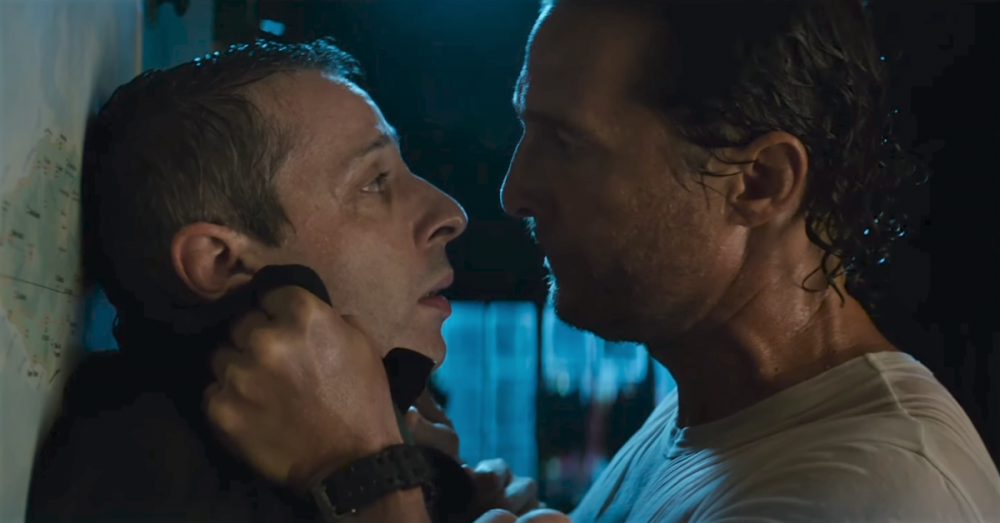
Thank you to all of 2019’s wonderful nominees! You can watch the Twelve Best Scenes of the Year below, with the exception of the year’s WTF Moment – that one apparently has no locatable clips on YouTube. This concludes the Sacred Wall’s film coverage for 2019! I’ll be back before the weekend with the Best Albums of 2019, and then again next week with the Best of the Decade! Stay tuned!
Climax
Midsommar (Only The Final 3 Minutes Are Available Online; Make Sure You See The Full Sequence For Context)
Avengers: Endgame
Parasite
Hustlers (Mildly NSFW)
The Lighthouse
Marriage Story
Ford v Ferrari
The Irishman
John Wick: Chapter 3 – Parabellum
A Beautiful Day In The Neighborhood
Rocketman


Add Comment