

Let us return to our reflections on the Best of 2019 with another ode to the world of pop culture. At the beginning of the year, I made a promise to keep up to date on every TV show to receive buzz and acclaim. As it turns out, there are a lot of shows out there. I mean, 2019 began with Marie Kondo. How long ago does that feel? But I still saw enough to craft one of my most detailed best-of lists yet, and it is with this knowledge I come to you today. That’s right, it’s time for the Top Ten Best TV Shows of 2019!
2019 was a wild year for television. Searing documentaries about abuse and evil permeated our televisions with Leaving Neverland and Surviving R. Kelly. Cable TV tried to match Netflix and HBO with lackluster miniseries like I Am The Night. The Live Show received some…interesting updates in the form of Live In Front of a Studio Audience (a recreation of Norman Lear’s classic shows), RENT Live, and the horrifying Little Mermaid Live, the latter two effectively killing the format The Sound of Music rebirthed a half-decade ago. And game shows came back in full force with Card Sharks and Press Your Luck (not to mention a little classic I’ll be talking about in a moment). In fact, there was so much television, I couldn’t always keep up. I never got a chance to watch Pen15, Deadwood: The Movie, Dark Crystal: Age of Resistance, Better Things, Years and Years, Catastrophe, The Crown, The End of the F***ing World, The Mandalorian, or Mrs. Fletcher. And I’m too far behind on Broad City and Mindhunter to properly give them credit.
Now, before getting into my Honorary Prizes and the official Top Ten, I have a few shows I want to acknowledge, as well as a few I want to praise. In terms of acknowledgment, there are a few shows I began watching, but either gave up on from disappointment or a lack of interest. Chernobyl, despite its awards-season praise, was a bitter disappointment through and through. Shrill had a strong Aidy Bryant performance, but ultimately didn’t match in terms of writing. Black Monday consistently sold out its actors to make the laziest jokes possible. And despite a solid first few episodes, Game of Thrones went up in flames faster than the Iron Throne (sorry). Then there are the shows that I either gave up on too early or found too late. For example, while Watchmen’s first few episodes were entirely lackluster, it recontextualizes itself late in the game with an impeccable episode of television (“This Extraordinary Being”) that could have saved it overall. And had I discovered them sooner, Ramy, Schitt’s Creek, and Dead To Me all could have been contenders on this list.
Now, thanks to my influx of viewing material, there were a lot of shows in contention for my top slots. While the first season disappointed me, What We Do In The Shadows glided by thanks to interesting characters and great cameos. Russian Doll took an interesting concept and made it better thanks to a great Natasha Lyonne performance. You’re the Worst and Big Mouth combined shocking humor and a sweet core to look at relationships and growing up. The Other Two and Los Espookys offered unique and hilarious ensembles getting into wild, exciting shenanigans. Big Little Lies improved on its first season by doubling down on the soap opera aspects and letting Meryl Streep off her leash. Unbreakable Kimmy Schmidt gave us the finale we desperately wanted for our characters. Killing Eve, GLOW, and Veep offered us some terrific performances from its leading ladies. And John Mulaney and the Sack Lunch Bunch and The Bash Brothers Experience were two of the funniest television experiences of the year.
Which brings me to my two Special Mentions. The first award I’d like to give out is the Holy Sh*t Award, an honorary prize for the weirdest, dumbest show concept that earned way too many viewers for its concept. That award goes to The Masked Singer, a show that got Terry Bradshaw and T-Pain to don silly costumes and sing and dance onstage while Ken Jeong and Jenny McCarthy debase themselves. And finally, the Law and Order: SVU Award, my annual prize for the Most Hate-Watchable Show – think Riverdale, or 13 Reasons Why, or Fuller House, where you get angry at everything about the production, but can’t stop watching. This year, the prize goes to Euphoria, a show I loathed from its first episode. While I applaud the performances by Zendaya, Hunter Schafer, and Maude Apatow, Euphoria is an after-school special designed to freak out parents in the same way as those dumb PSAs run on the evening news. “It’s called ‘Cam Girling,’ and your kids maybe doing it.” And that’s not to mention that the director clearly enjoys filming girls who actually look like high schoolers performing softcore sequences, and you have a train wreck I could not look away from. But I digress. Let’s move away from shows that make me angry, and instead focus on what I love: the Ten Best Television Shows of 2019!
10. When They See Us
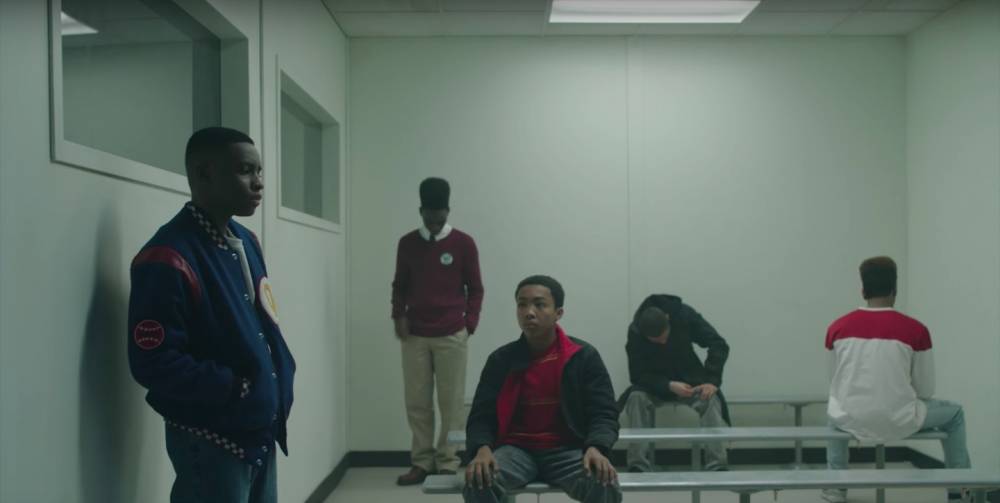
Ava DuVernay’s grand epic about the Central Park 5 may have been the most important show of last year. It became one of the most watched shows in Netflix history, it became a culturally-buzzed about social media topic, it got a literal monster cancelled, and it even incited a response by the sitting President, whose old footage is used to show his own hand in a horrific miscarriage of justice. But while it is easy to write off “Important” shows as boring, or mundane, or “a bummer,” DuVernay’s clear, concise vision tells a tragic, triumphant story in a five-hour tapestry of emotion and catharsis. Each part in the saga covers a different example of a broken justice system – a full year before these issues came to the forefront in the wake of the murder of George Floyd. DuVernay uses a real-life historical travesty to explore the ins and outs of a broken prison system, while never providing any doubt of the boys innocence. The first two parts mostly serve as recreation, but with added psyche and commentary. We see the ravenous, racist Linda Farstein (played ironically by real-life convict Felicity Huffman) decide to railroad the boys because she equates Black with Criminal and Rapist, despite the fact the DNA evidence exonerates and they are all literal children. We see the police beat and coerce them into false confessions. We watch as corrupt judges and juries are won over by a media frenzy and incompetent public defenders, along with pressure from certain billionaires who demand these “thugs” be put to death without evidence. And as the boys lose eight years from their lives being abused by the prison system, we watch as their adult selves struggle to find work because the system is designed to punish criminals after their sentences and force recidivism. But while these first three episodes are the hardest to watch, it is Part Four where the heart is found. We see that the boys are able to survive their trials through love and family. We hope that they can find justice through truth and God – whether that God be the Lord, Yahweh, or Allah – and that justice is found through forgiveness and remorse. As much as this is a story about racism and corruption ruining the lives of children, it is even more importantly a story of forgiveness and hope in times of despair. And thanks to the performances and DuVernay’s writing and directing, it stands tall as a great, important work in the annals of television history.
Best Episode: “Part Four” – While I picked “Part Two” as one of the best TV episodes of the year due to its structure and filmmaking, it is “Part Four” that possesses the show’s thesis statement. Focused on the oldest of the boys, Korey (played beautifully by Jharrel Jerome), whom is sent to an adult prison on a technicality, the episode focuses on his abuse within the prison system, and his own broken home life after his trans sister is thrown out by a later-regretful mother and eventually killed. It’s hard to watch – Korey is beaten, abused, and tormented by guards and prisoners alike – but there’s an undercurrent of hope and love in every frame. A guard who takes pity on the boy and makes an effort to give him little glimpses of hope. The power of faith in a faithless time. And the eventual realization of justice against all odds. It shows what DuVernay can do with her actors, and it makes for a cathartic ending to a powerful watch.
9. Fosse/Verdon
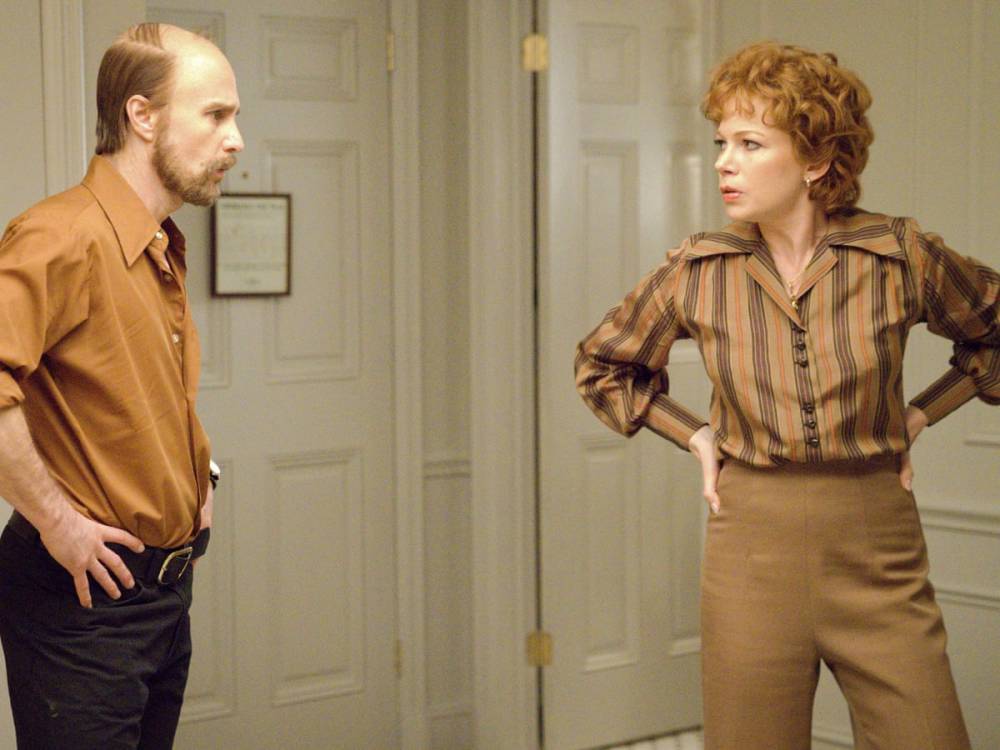
There was never a doubt that Fosse/Verdon would make this list, even before the show even debuted. After all, it honestly could have made this list by simply recreating classic Broadway and Hollywood moments, like Cabaret, Chicago, Sweet Charity, and my favorite film of all time, All That Jazz, with some of the best actors of screen (Sam Rockwell! Michelle Williams!) and stage (Norbert Leo Butzas Chayefsky! Kelli Barrett as Liza! LIN-MANUEL MIRANDA AS ROY SCHEIDER!) But it manages to mine the unique story of famed choreographer and director Bob Fosseand his complicated relationship with muse/wife/artistic equivalent Gwen Verdonto find inherent truths of show business, the pursuit of artistic perfection, toxic men, and the traits and talents that made these two toxically perfect for each other. These are two people that cannot and should not be together – Fosse is a letch who uses and, to put it bluntly, abuses women, while Gwen is a woman whose past scars and quest for fame have marked her as one of the greatest Broadway stars of all time, but at a deep cost to her well-being and those around her. It’s a complicated situation, where their relationship is filled with as much love as it is poison. We know that Bob is only as great as he is when he has Gwen pushing him, but does Gwen really need Bob? How much does Bob’s egomaniacal toxicity really owe Gwen? Could he have been a star if he didn’t have Gwen’s influence, advice, and guidance along the way? The show really boils down to a great quote uttered by Williams’ Verdon halfway through the show: when told that Bob “takes what’s special in a girl and makes it his own,” she sardonically replies, “Isn’t that what they all do?” Beyond the terrific direction and recreation of iconic choreography executed by Thomas Kail, Jessica Yu, Andy Blankenbauer, and more, the performances are truly some of the best of the past few years of television. I loved Butz’ take on Chayefsky, and Margaret Qualley is an exceptional Ann Reinking. Sam Rockwell is quite good as the embittered, flawed Fosse, but the real revelation here is Michelle Williams as Gwen Verdon. Williams captures Verdon’s energy and talent, while adding layers of a woman from a rough, abusive childhood who had to give up everything to become a star – only to lose it all as her ex-husband’s stock rises. It is a masterful show of fame, toxic masculinity, and the Genius Question, and I absolutely loved it.
Best Episode: “Glory” – For Fosse/Verdon’s best episode, I’m sticking with my selection from the Best of the Year, “Glory,” as the best demonstration of what this show does well. Not only is it the best choreographed, and best directed episode of the show – it’s easily Sam Rockwell’s best performance (I could honestly pick any episode for Williams and make the case for her performance as Gwen). It’s the best dive into Fosse’s psyche, as his rise to fame through Cabaret, Pippin, and Liza with a Z not only mirror Gwen’s downward spiral, but his own depressive trajectory. It’s use of the score to Pippin to emphasize his self-hatred to the point of near-suicide is some of the best work on TV, and it makes for a great hour of television all around.
8. El Camino: A Breaking Bad Movie
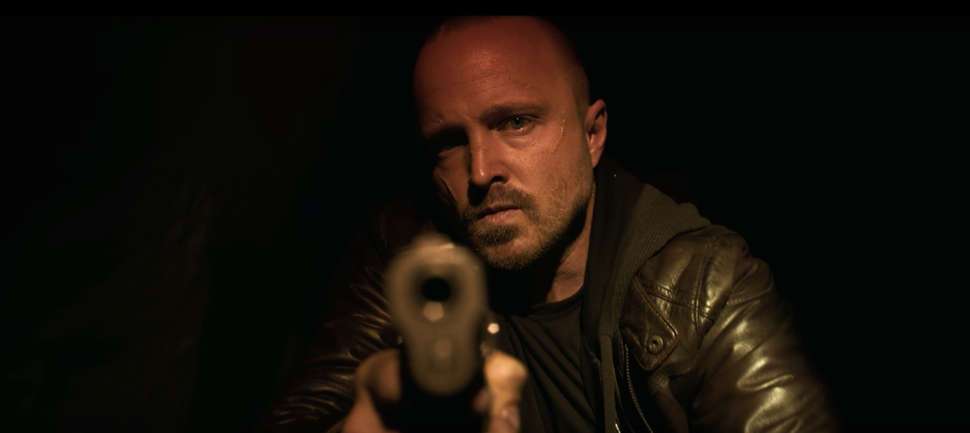
El Camino: A Breaking Bad Movie is the only selection on this list I technically saw in a movie theater. Being fair, it wholeheartedly deserved that treatment, even if it is, at its core, a TV Movie. For El Camino corrects the few flaws of the Breaking Bad series finale to address the harsh realities its surviving characters would have to face after escaping a bunker full of Neo-Nazis. It tackles the bitter truth that “setting things right is the one thing [Jesse] can never do.” Despite his “escape to freedom” at the end of the original show, Jesse is still haunted by his past. The police hunt him at every turn, everyone he knows has turned on him or died (except, of course, for Skinny Pete and Badger, his lovable stoner best friends), and he lacks the money to make a clean break to freedom. He’s forced to wander the streets of Albuquerque like Belmondo in Breathless. El Camino is about the consequences of your past, and how choices (no matter how hard you try to convince yourself of your own coercion), will inevitably follow you forever. It captures the weird moments that made the original show so great, be they horrific, comedic, or poetic. We get to see the harsh manipulations of Bryan Cranston’s Walter White, a fantastically dark moment in a car featuring Jesse Plemons’ Todd, and a cameo by the late Robert Forsterthat’s one of the best acting performances I saw all last year. All of these sequences help to establish Jesse’s emotional psyche after months of torture and abuse (not to mention losing his soul for two and a half years. Hell, it even leans hard into its Western influences, including a full-scale duel straight out of High Noon. El Camino is master class filmmaking – expanding its world but keeping it claustrophobic and contained, utilizing its higher budget to recreate its iconic moments on a grander scale, and answering questions about human morality in a fun, riveting way. It was the reboot/sequel none of us were expecting, but so glad we received.
7. BoJack Horseman
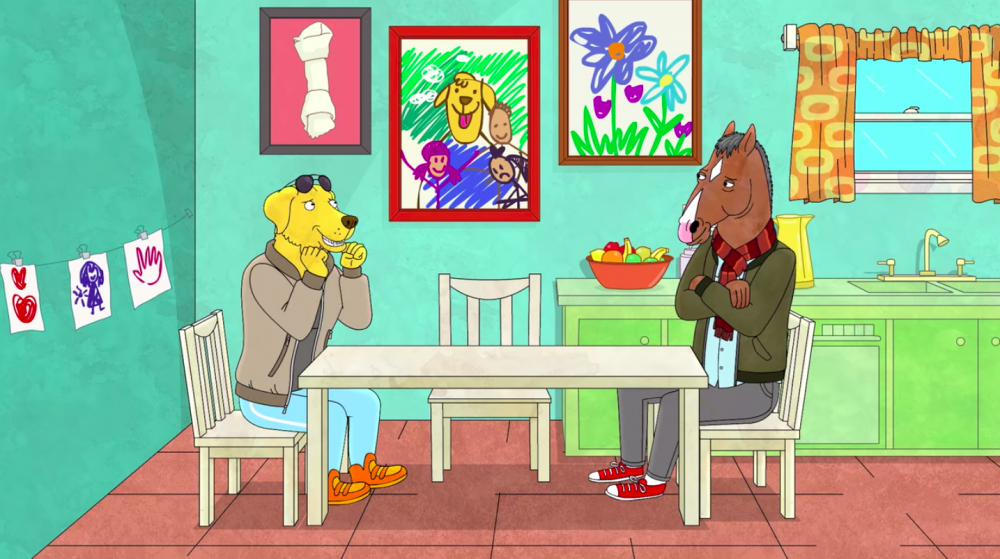
While its recently released second half marks a return to the harsh realities we’ve come to expect from the show, the beginning of BoJack Horseman’s sixth and final season marked a stark contrast from its predecessors. Despite billing itself as a comedy, this is perhaps the first and only season to truly broach the topic of happiness. As BoJack enters rehab and makes his first efforts at addressing his deep-seeded emotional and mental problems, the show makes its first effort to display hope for its flawed, struggling title character. For the first time in six years, BoJack manages to remain sober, make good choices, and apologize to people for the pain he’s caused. He’s willing to grow, and think about other people, and actively make a difference for those around him. It is entirely out of character, and yet precisely what we the audience hoped for since we began to relate to this walking, talking horse person. The first half of Season 6 is about growth, in all sorts of ways. It means BoJack is finally willing to accept responsibility at the age of 53 for his own heinous behavior. It means Princess Carolyn is willing to forgive her enemies and learn more about herself as she strives to become a successful working mom. Diane learns how to be in a mature, adult relationship while dealing with her depression. Even goofballs Todd and Mister Peanutbutter begin to adjust to the real world, as Todd finds a real job he loves and begins to explore the asexual dating pool, while Mister Peanutbutter addresses his own moral shortcomings in his relationships. It is a show that can be wholeheartedly serious (the grief over BoJack’s role in Sarah-Lynn’s death) and hilarious (there’s just straight up a Fred Flintstone car in one scene) in the same half-hour episode. And sometimes, the moments can overlap – he fact BoJack finds catharsis in offering his longtime frenemy Mister Peanutbutter a “crossover episode” at the Smithsonian is the payoff to a half-decade long joke as well as a touching moment of growth for our struggling horse man. This is a show about redemption and hope, through humor and catharsis, and even if the last episode undercuts it with a reminder that trauma and abusive behavior can never truly be extinguished, it’s nice to believe that for one, brief, shining moment, hard work, therapy, and forgiveness can, in fact, be attainable.
Best Episode: “The New Client” – The best episodes of BoJack tackled weighty material in smart, interesting ways. “The New Client” does so through its depiction of single mothers trying to have it all. The basic through-line itself is already strong on paper – Princess Carolyn’s nanny quits, so she has to go through her day to day activities handling clients, posing for photo shoots, and raising her baby – whom she’s been so busy she hasn’t had time to name – all at the same time. But what makes the episode so great (outside of Amy Sedaris’ performance) is the animation. The episode layers multiple color schemes and storylines one on top of the other, amplifying Carolyn’s manic state and struggle to “do it all.” It’s a terrific embodiment of new motherhood, and one of the best episodes of the year.
6. Unbelievable
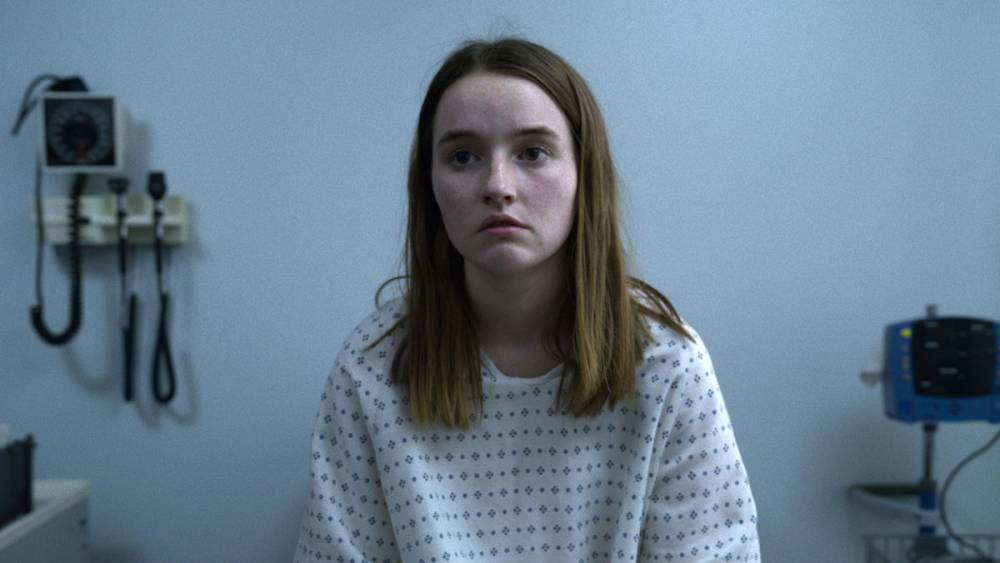
It’s easy to see why Netflix’s Unbelievable became a hit. With Law and Order: Special Victims Unit inching closer and closer to becoming the longest running show of all time, people remain fascinated with stories of incredibly heinous crimes and the brave detectives who use their wits to defeat these despicable perpetrators and avenge suffering victims. Yet Unbelievable utilizes two techniques that SVU could never dream of to elevate it to newfound status as a great piece of art: an important message and actually decent actors. You see, unlike SVU, Unbelievable gives time and credence to the suffering of its victims, and reminds the audience of the harsh realities abuse victims face. For Unbelievable follows two concurrent stories, both horrifying beyond belief, and yet even more horrifyingly true. In the first story, victim Marie (Kaitlyn Dever) files a police report about her brutal rape, but as her foggy memory and lack of physical evidence mount, she is pressured by police into recanting and eventually charged with filing a false police report. Meanwhile, in the second story, Detectives Duvall (Merritt Wever) and Rasmussen (Toni Collette) investigate separate cases that bear striking resemblances to Marie’s claims, unveiling a brutal serial rapist who knows the police’s every move and leaves little to no evidence. Unbelievable seeks to explore both sides of the law – the officers that lack the proper training to handle what essentially amounts to social work, cannot empathize with victims, and inevitably causes most rape cases to remain unsolved or dropped (or worse, for victims to never report out of fear of similar situations), and those that understands the mental anguish victims go through and how to get to the bottom of such anguish. It’s as heartwarming to watch Duvall comfort a woman in her darkest moments as much as it is infuriating to witness Marie’s railroading by those who are supposed to protect her. And yet, the only true “villains” here are the abusers – the show doesn’t seek to vilify those who made costly mistakes, as much as they hurt to witness (although it is easy to decipher which detectives in real life have reconciled with Marie and shown true remorse, and which ones are absolute pieces of sh*t railing on social media about Black people, women, and Muslims). And it’s all centered around three all-time great performances. Collette is obviously at the top of her game, and her hard-ass no-nonsense routine cracks me up due to the makeup and costuming work paired with her performance remind me of my own aunt. But it’s the performances of Wever and Dever that truly stun – Wever through her soft-spoken resilience and empathy, and Dever through her physical demonstration of the layers of abuse a victim can go through beyond just the literal assault. This show is a master class in acting, a master class in storytelling, and one of the most impressive police procedurals to ever grace the screen.
Best Episode: “Episode 3” – It’s hard to pick a best episode of Unbelievable, as they work together best as one large tapestry of guilt and sleuthing. But if I had to pick, the best outing is most likely the third episode. Not only does it feature some of the best work of Dever’s time with the show (as she deals with the realization that the police have leaked her story to the press to punish her and are now pursuing criminal charges), but it also features the introduction of the show’s greatest strength: Wever and Collette’s chemistry. The two build off of the classic formulas of most great crime show – one’s tough, one’s quiet, one’s religious, the other’s agnostic, and so on – but both actresses give them enough character and oomph to make them feel real. Watching them piece things together and decipher clues is cathartic and exhilarating, and it’s a big reason why I love the show so much.
5. I Think You Should Leave
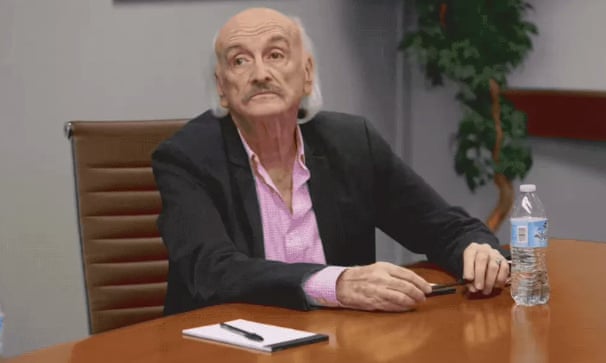
In an era where sketch comedy struggles to deal with the political landscape, one show dared to be different. Tim Robinson, formerly of Saturday Night Live and Detroiters, crafted the year’s best sketch show by avoiding mediocre sketches about Democrats and Republicans, instead using his shocking, mundane humor to create the best sketch show since Key and Peele left the airwaves all those years ago. Almost Seinfeldian in its execution, the six-part, fifteen-minute episode structure of I Think You Should Leave walks the careful balance of reality and absurdity. Every sketch begins with an ordinary premise that embodies our own fears and nightmares surrounding societal faux-pas, but what makes Robinson’s writing so brilliant is the extremes he’s willing to go to. A man unwilling to admit he tried to push a pull door rips it slowly and painfully off its hinges to avoid embarrassment. The instigator of a horrific car crash tries to pass off the blame despite blatant evidence that he is the culprit. Vanessa Bayer tries to fit in with her girlfriends by writing self-deprecating tweets that become more and more horrifyingly vulgar. And in my favorite sketch, the bizarre nature of baby beauty pageants (a real thing) are acted out to their extreme conclusion, in which In Memoriam sessions honor the former participants (including their cause of death) and audience members try to murder the “Bad Boy” of the bunch, Bart Harley Jarvis (played by a baby in a motorcycle jacket). What’s so refreshing about Robinson’s sketches is that not only do they have the sharp, light humor of the best SNL sketches, a la Mikey Day and Streeter Seidell, but they also never overstay their welcome. They understand that cringe comedy can only maintain itself for a few minutes at most, and the show immediately moves on to its next terrifying idea, in small, contained bursts of genius. It’s like a combination of Larry David, Tim & Eric, and Eric Andre all rolled into one brilliant nightmare, and during the two hours I spent binging every episode, I managed to escape the horrors of the news cycle, my day job, and all sorts of other dull occurrences that make up everyday life. In short, I Think You Should Leave accomplished the goal of pure comedy, perhaps more successfully than any show on this list. And I commend it for this accomplishment.
Best Episode: “It’s The Cigars You Smoke That Are Going To Give You Cancer” – Each episode of I Think You Should Leave offered up an all-time great sketch, but no outing was overall better than “It’s the Cigars You Smoke…” I mean, just look at the lineup of sketches and guest stars they assembled! Cecily Strong becoming so upset that her husband was lightly mocked by a magician that “I will not respect you, and I’ll make sure the kids don’t either.” Tim Heidecker plays a friend’s older boyfriend at a game night, and ruins the fun with his aged references and condescending treatment of the younger guests. An old man in a focus group declares his biggest problem is “When the steering wheel flies off when driving.” And the late, great Fred Willard plays a street organist asked to play a funeral, which gets more and more bizarre as time goes on. It’s the perfect embodiment of everything the show does well.
4. Fleabag
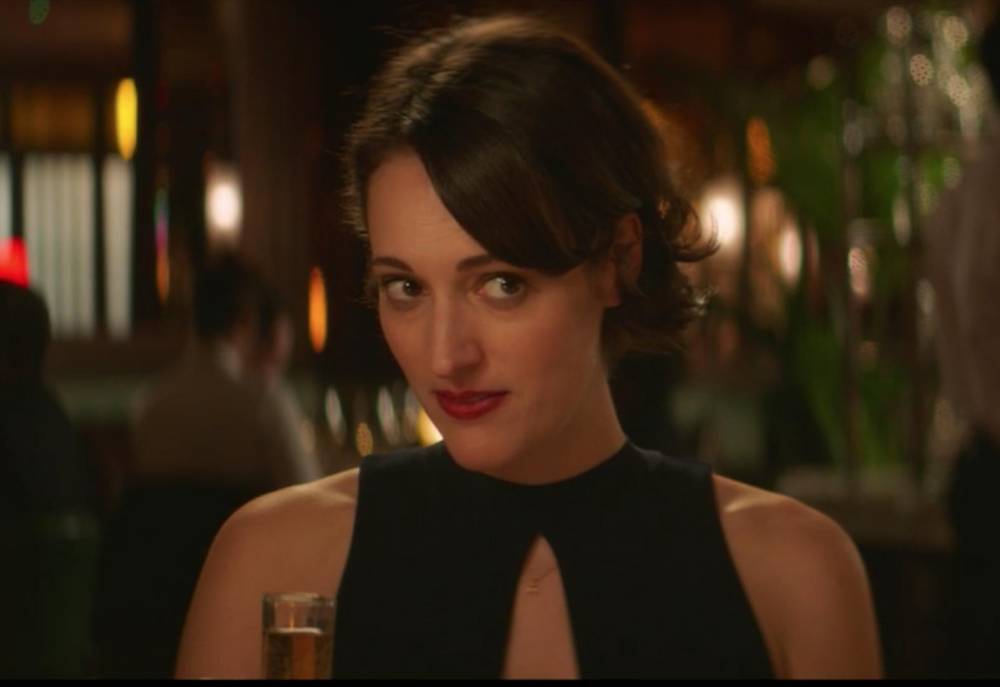
No performer took 2019 by storm the same way as Phoebe Waller-Bridge, who famously took every awards show by storm with her unbelievably great second season of Fleabag. Based on her one-woman show, Fleabag follows the failings of a young woman who constantly screws up, and must live with the mistakes of her past – leaving her constantly talking to the audience as a means of coping with her loneliness. In the second season, having ostracized everyone in her life, she slowly begins the process of winning everyone back, actively trying to help her community, and dealing with her newfound attraction to the perfect guy, played byAndrew Scott – who, unfortunately, happens to be a priest. The show knows exactly what it’s trying to do and say – while it opens with the iconic declaration that “This is a love story,” it is more of an anti-love story, in many ways. While Fleabag does, in fact, win back the love of her sister (an incredibly dry Sian Clifford), the goal here is for Fleabag not to fall in love, but to learn how to be by herself. It’s more of an ode to loneliness than it is a treatise on love. The show owes its success to two beautifully written, terrifically acted characters. Much has been discussed of Bridge’s performance as Fleabag, and it’s hard to disagree. Her role here is of a woman who has already acknowledged her own flaws and a need to change, but can’t begin to figure out how. Her attraction to the Priest goes beyond just romantic-comedy foibles – it’s a commentary on a non-believer looking to God in an attempt to find meaning, but feeling she is unworthy and unable to access him. Meanwhile, Scott is the perfect choice for the “cool, sweary, Hot Priest.” He is so sexy, looking at Fleabag (and the audience) with a true sense of seen love. After all, the best twist in the show comes when he reveals he can see her asides to the camera. And is there anything more perect than a man who can see you, drink with you, joke with you, AND express his teary-eyed love for Winnie the Pooh? Clifford is a phenomenal foil for Bridge’s crassness, and Olivia Colman appears as the passive-aggressive Godmother with some of the funniest, most shocking line deliveries you will ever hear (“You know, I’ve had six friends who had miscarriages. And five of them could never get pregnant again. But the sixth one did and regretted it. So I think you’ve probably done the right thing!”). Fleabag is hands down the funniest show of last year, as well as the sweetest – a British classic through and through, and I adored it in all its shaggy, strange glory.
Best Episode: “Episode 1” – As discussed in the Best Episodes article, “Episode 1” takes everything great about Fleabag and boils it down to a dinner party bottle episode. Every member of the family brings their A-game – Olivia Colman delivers some deliciously passive-aggressive zingers, Sian Clifford slowly reaches her mental breaking point, Andrew Scott flirts with the camera for the first time of many, Brett Gelman makes the perfect assh*le brother-in-law. And at the center of it all if a newly reformed Fleabag, adorned in a gorgeous black jumpsuit, giving her hilarious asides and slowly dissecting the nonsensical faux-family relations that bring them all together. And of course, there’s no better line to sum up the show than the final, droll delivery of, “That priest is quite hot.”
3. Crazy Ex-Girlfriend
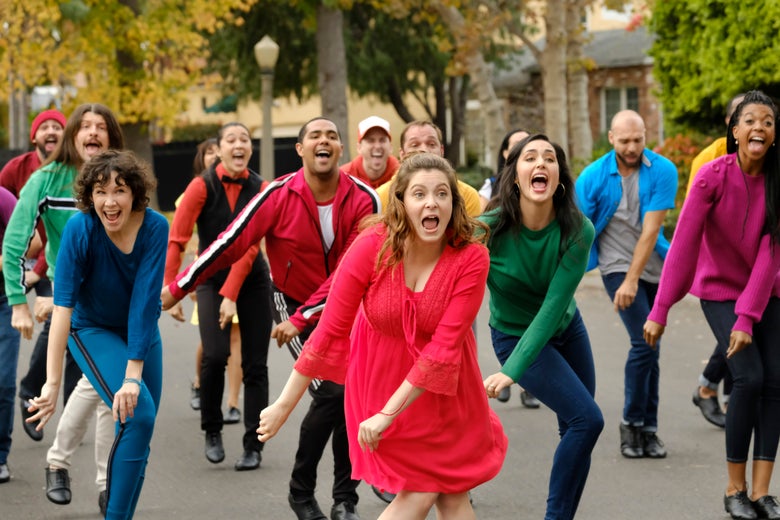
Boy, no show stuck the landing this year quite like Crazy Ex-Girlfriend. Rachel Bloom and Aline Brosh McKenna’s romantic-comedy-musical-drama had a clear vision for its story and its conclusion for day one, and the way its optimistic, loving ensemble found adulthood, found love, and found peace was one of the sweetest, most enjoyable journeys I could have had, both over its four year run and over its final nine episodes (and one live performance). It was clear that Bloom’s Rebecca Bunch clearly should not end up with any of her three charming beaus – her teenage crush Josh (a sweet, earnest Vincent Rodriguez III), her former boss and former bad boy Nathaniel (Scott Michael Foster), and her old soulmate Greg, now “transformed” by rehab into Skylar Astin. The show mines humor and romance out of the genuine struggle of reestablishing past relationships and dating with a mental illness, even as it establishes the silliness of a “Bachelor” situation. Its musical format allows for sharp commentary on a variety of topics, from self-reflection to overcoming manic-depressive episodes, all in service of Rebecca and the boys’ quests for love. But at the heart of the show, there are only two relationships in Rebecca’s life that matter, which Bloom and McKenna make beautifully, abundantly clear. The first is her relationship with Donna Lynne Champlin’s Paula, Rebecca’s best friend, who finally learns Rebecca’s musical secret. And the second is her true love for music, which beautifully and finally manifests itself in healthy, real-life ways, as opposed to breaks from reality meant to explain the importance of her antidepressants and the horrors of relapsing. At its core, Crazy Ex-Girlfriend is a show about growth – and unlike BoJack Horseman, it is unequivocally and undeniably earnest. It believes change and self-improvement are possible, that humans are inherently good, and that even if real life is far messier than the average musical or romantic comedy, there can be hope in life no matter your struggles, and your dreams can absolutely come true – even if it’s not in the way you expect. At the end of the day, when Rebecca declares “This is a song I wrote,” the show finds a moment of honesty and beauty most shows only dream of, and it’s why those final nine episodes were better than almost every other show in 2019.
Best Episode: “I’m Almost Over You” – While I previously wrote about the terrific Cats episode, I want to use this space to write about the underrated Nathaniel episode, which gives the spoiled bad boy with a heart of gold a chance to shine. Having learned that Rebecca is dating her ex Greg, Nathaniel tries to find a way to win her back, and much as Rebecca sees the world in musical terms, Nathaniel sees the world as one big romantic comedy, alongside a great Esther Povitsky as his “potential love interest”/stand-in for Rebecca. The episode both honors and breaks down genre conventions (it even satirizes McKenna’s 27 Dresses with a karaoke number) before building to a powerful ending about the harsh realities of the real world. It’s a great example of everything this show does well.
2. Barry
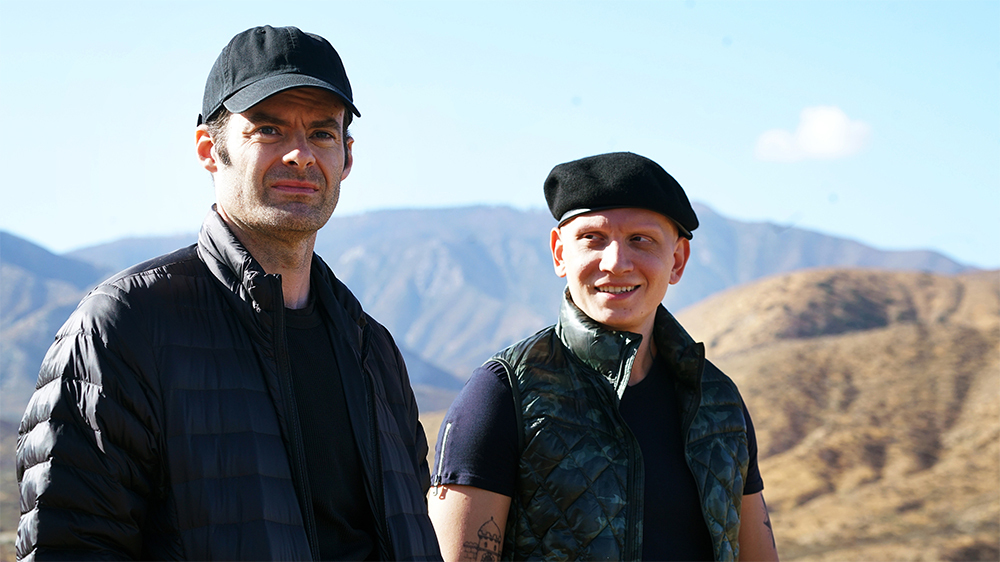
I came very close to choosing Barry as my #1 show of 2019. It’s something of a live action BoJack Horseman – a deep dive into forgiveness, past trauma, and flawed protagonists, yet wrapped in the relaxing humor of comedy, specifically show business comedy. Bill Hader’s hitman dramedy grew to new heights in its second season, as the show grappled with topics as varied as grief, broken relationships, morality, abuse, and beyond. The ability to balance comedy and drama is impeccable – Hader can give the best performance of his career crying on teacher Henry Winkler’s shoulder, before Winkler casually comments, “Now I am going to bill you for the hour.” One moment can feature a woman’s struggle to overcome past trauma and an industry that kind of hates women while another can shift to Barry’s battles with unkillable Tae Kwan Do masters and demon children. And we can’t forget the comic relief of my sweet baby NoHo Hank, the simplistic Russian gangster that views Barry as both an employee and best friend. Anthony Carrigan has such a way of delivering lines and casting earnest glances that most actors should be jealous of. Every aspect of the new season unrolled in new, exciting ways, as Barry’s criminal activities cause Henry Winkler to force the troupe to wallow in self-pity (“For once, it’s going to be about US!” he announces to a room full of actors), which leads to Sally addressing her past abusive marriage, which forces Barry to confront the issues he’s been struggling with. I mean, how many other comedies can have a character’s catchphrase be “You killed somebody and got away with it!”? However, as great as Hader’s comedic moments are in the season, from reaction shots to earnest displays of affection for his future and potential victims, the season never makes light of its darker moments. Barry is still a victim of PTSD. Winkler’s Gene is still suffering from the grief of losing a loved one. And in the season’s best arc, Sarah Goldberg’s Sally deals with her trauma over an abusive marriage, which manifests in faulty memories, fidgety actions, a terrifying hotel standoff, and a rambling, beautiful monologue on both being a victim and not wanting to be a victim. Barry is the best kind of television, balancing true belly laughs with shocking gasps, and it never ceased to amaze me in each and every episode of its remarkable second season.
Best Episode: “ronny/lily” – Another choice from my Top Ten Episodes list last week, “ronny/lily” was an example of the strange, funny material that Barry could get up to without losing its edge or pathos. Centered around a blackmailed hit ordered by a depressed police detective, Barry originally tries to spare the man (in the worst way possible), only for the Tae Kwan Do master to turn the tables on Barry. And then the man’s half-demon daughter shows up and attacks Barry even further. The episode is bizarre in its almost-supernatural qualities, but it all serves a greater purpose: Barry’s realization that his mentor Fuches is a monster that has used him from Day One, and he’s on a journey to Hell if he doesn’t change. It was the moment I realized that this was one of my favorite shows of 2019.
1. Succession

It is rare to find a show that one can truly center their week around anymore. With the rise of binge watching and an ever-expanding list of options, there aren’t really “Events” anymore, where you ask yourselves daily, “Is it Sunday yet? I need to know what happens next!” That’s why Jesse Armstrong’s Successionis, far and away, both the heir to Game of Thrones and the best show of 2019. When Succession premiered in the summer of 2018, it was written off in the first few episodes. Armstrong’s ultra-rich satire combined King Lear with the idea of the modern mogul like Michael Eisner and Rupert Murdoch, and those early episodes reeked of producer Adam McKay’s condescension. However, as the show went on, and McKay’s thumb came off the project incrementally, Armstrong’s writing and direction started to improve, blending comedy and tragedy with the deftness of the greatest of writers. After all, this is a show that somehow makes likable, tragic characters out of bumbling monsters who have, to date, been embroiled in scandals reminiscent of Chappaquiddick and Harvey Weinstein. Armstrong bounces between ideas, commentaries, and genres with shocking ease – one minute we have the terrifying “Boar On The Floor,” the next son-in-law Tom is trampling women to escape a potential shooting. One moment the family is reaching out in terror and comfort as their facades break down, the next Cousin Greg is labelling important secret documents as “Secret.” The show’s message is clear: that while the actions of these spoiled billionaires are comical and dramatic, their actions on the real world have visceral consequences – which, when presented, have real weight, pain, and pathos. Families have lost children, women have been traumatized, people have lost jobs, and all because our protagonists cannot understand that all human life, even those less fortunate, has worth. Even the “liberal” families of wealth the Roy family encounters – including a Bernie-esque Senator and the owners of a CNN parody – are show ignoring and mistreating the staff cooking them dinner. The show is a morality tale, yet without losing its funny, entertaining core. And at the core of all this drama are the best, funniest, most talented actors television has known in a decade – Macfadyen’s weaselly Tom Wambsgans, Sarah Snook’s coy and cocky Shiv, Brian Cox’s aggressive Logan, Nicholas Braun’s lovably naïve Cousin Greg, and especially Jeremy Strong’s broken, abused Kendall. This is the best acted show on television, the best written show on television, and, quite frankly, the best everything on television.
Best Episode: “These Are Not For Tears” – While “Hunting” and “The Vaulter” are the two best-constructed episodes of the season, I’m going with the tense, shocking finale, “These Are Not For Tears.” After realizing that the only way to survive the political, criminal, and journalistic investigations into Waystar’s many scandals, Logan has to choose a family member to throw under the bus. The episode reveals many twists and betrayals as the family debates which one of their own to sacrifice, including Roman and Gerri strengthening their relationship and Tom and Shiv’s marriage falling apart. But it is the final fifteen minutes where everything hits the fan: Logan blackmails his second son Kendall into taking the fall, only for Kendall to use the press conference where he will “confess” to reveal that not only is he flipping on his father, but he’s convinced Cousin Greg to hand over damning documents to prove it. It’s a twisty, turning, brilliant episode that proved that the entire season was worth it.
And that wraps up our look at the best TV of 2019! I hope you enjoyed these in-depth looks – I know I did – and I hope you’ll join us next week as we move on to the movies! Which, sadly, means that our next encounter will involve my reflections on the worst films of 2019. Damn it. Happy watching, you guys!


Add Comment